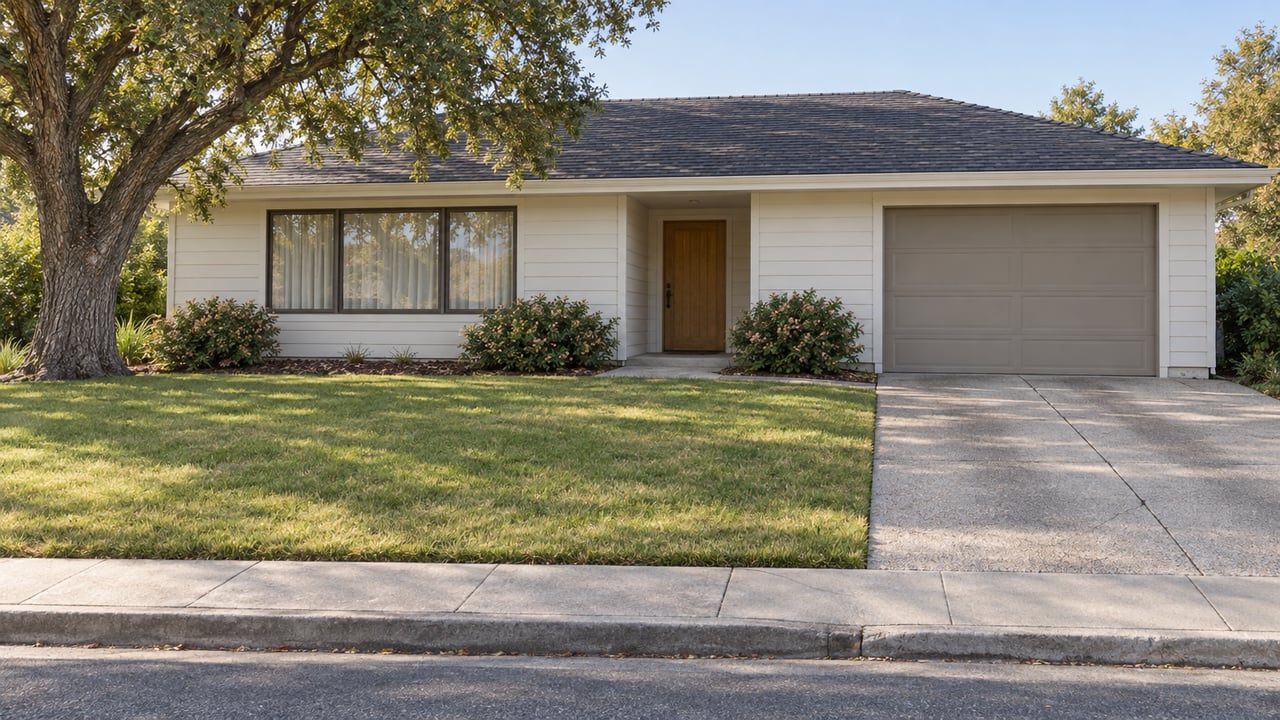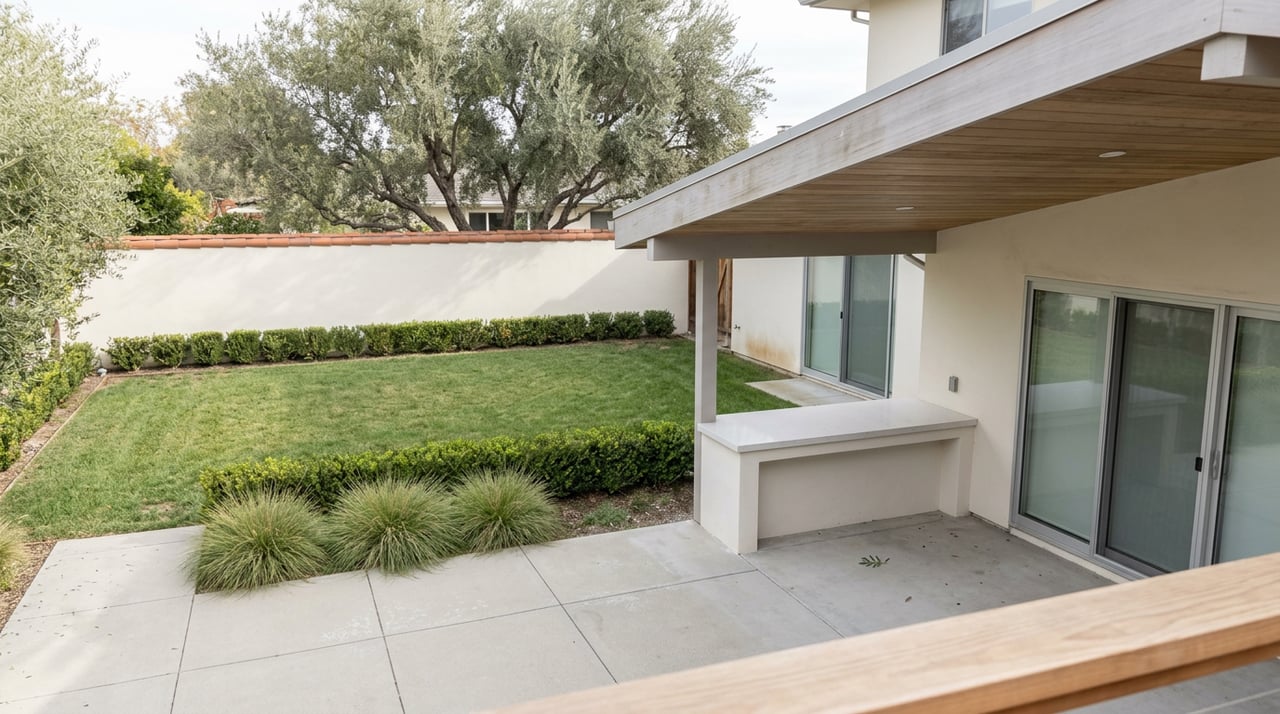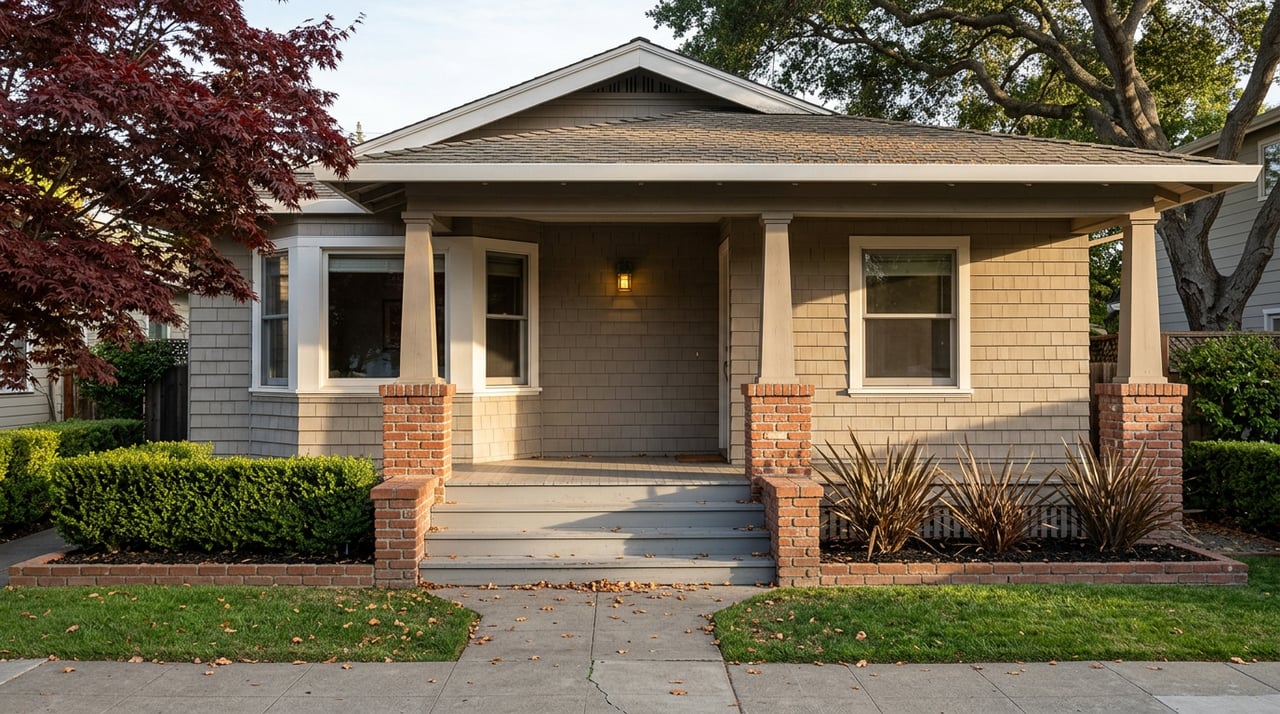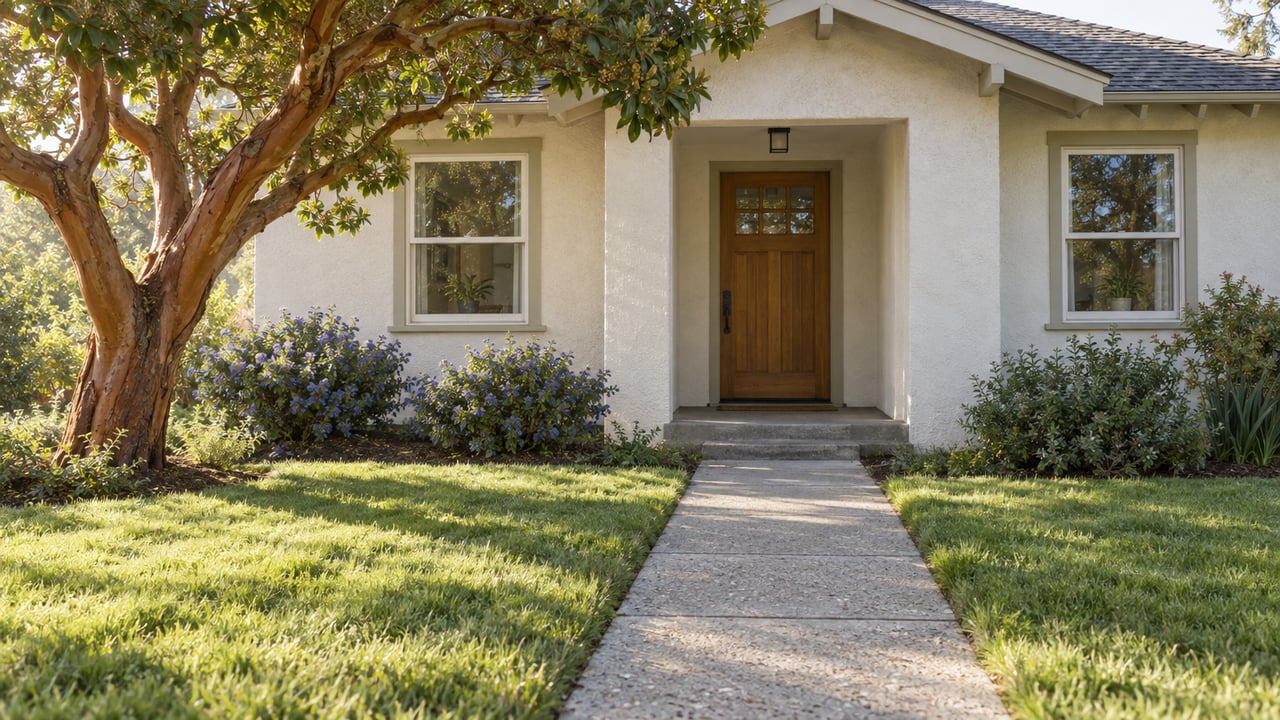

Selling a home in San Mateo County can move fast, and that is exactly why your prep work matters. If you wait until photos are booked or offers start coming in, small issues can quickly turn into delays, stress, or missed leverage. The good news is that a smart pre-listing checklist helps you stay ahead, present your home well, and launch with confidence. Let’s dive in.
Start With Disclosures and Records
Before you focus on staging, photos, or pricing, get your disclosure package and property records in order. In California, the Transfer Disclosure Statement, or TDS, should be delivered as soon as practicable before transfer. If a required disclosure is delivered after an offer is signed, the buyer may have a short window to cancel.
The TDS asks about a wide range of property issues. That includes environmental hazards, defects, settling, drainage problems, zoning issues, and room additions or repairs made without necessary permits. It is also important to remember that the TDS is not a warranty and does not replace inspections.
For many San Mateo County sellers, this is the step that deserves attention first. A complete packet can reduce surprises later and help your listing launch more smoothly.
Gather the Core Disclosure Items
Your exact paperwork can vary by property, but several items commonly rise to the top before listing. If your home was built before 1978, federal lead disclosure rules also apply.
A strong starting checklist includes:
- Transfer Disclosure Statement
- Natural hazard disclosure information
- Lead-based paint disclosure materials for pre-1978 homes
- Known records for repairs, upgrades, and maintenance
- Receipts, warranties, and supporting documents for recent work
If you own an older home, lead disclosure should not be left until the last minute. Sellers generally must provide a lead warning statement, the lead pamphlet, and any known information about lead-based paint or hazards.
Check Permit History Early
Permit history is especially important in California because the TDS asks about additions, structural changes, and repairs completed without necessary permits. If there is any question about past work, it is better to sort that out before your home hits the market.
San Mateo County notes that a building permit is required when work is erected, constructed, enlarged, altered, repaired, moved, improved, removed, converted, or demolished. For homes within San Mateo city limits, the city permit center allows searches by address, date range, permit number, or parcel number.
If you have remodeled a kitchen, converted space, added a room, replaced major systems, or done other substantial work, gather the paperwork now. This can help support your disclosures and reduce last-minute scrambling during escrow.
Prep the Home Buyers Will See
Once your documents are underway, shift your attention to presentation. Buyers often form opinions quickly, and visible condition can shape how they respond to your home before they ever read the full disclosure packet.
In simple terms, you want the home to feel clean, cared for, and easy to picture living in. That usually starts with decluttering, deep cleaning, depersonalizing, and thoughtful staging.
Declutter, Clean, and Depersonalize
Staging is not just about decoration. It is about helping buyers see the home clearly and understand its space, light, and function. Research from the National Association of Realtors says 83% of buyers’ agents report that staging makes it easier for buyers to visualize the property as a future home.
For most sellers, the first wins come from removing excess items and creating a cleaner visual field. Personal photos, crowded shelves, overflowing closets, and bulky furniture can make rooms feel smaller and more distracting.
Focus on these basics first:
- Remove clutter from counters, floors, and shelves
- Pack away highly personal items
- Deep clean kitchens, baths, windows, and floors
- Organize closets and storage areas
- Create a simple, neutral look that feels bright and open
If you are short on time, this is often where professional help pays off. Storage, cleaning services, and staging support can make a major difference without requiring a full remodel.
Handle Low-Cost Visual Fixes
Before taking on larger projects, address the smaller items buyers notice right away. These details can signal whether a home feels maintained.
Common pre-listing fixes include:
- Replacing burned-out light bulbs
- Touching up paint with neutral colors where needed
- Repairing sticky doors
- Fixing torn screens
- Replacing cracked caulking
- Stopping dripping faucets
- Tidying outdoor spaces and entry areas
These updates are usually more cost-effective than major renovations, and they often improve first impressions quickly. In many cases, a short repair list creates more value than a bigger project started too late.
Review San Mateo County Hazard Factors
San Mateo County sellers also benefit from reviewing local map and hazard information early. This is not about overwhelming buyers with technical detail. It is about understanding the property context before your listing is finalized.
The county’s planning GIS includes property-specific layers for zoning, flood zone, coastal zone, utility districts, dam failure inundation, debris flow, liquefaction and shaking, existing landslides, fire severity zones, and wildfire-urban-interface areas. The county’s FEMA flood-map resources can also identify whether a parcel is in a Special Flood Hazard Area, along with related flood map details.
Why Local Hazard Review Matters
Hazard information can affect what belongs in your disclosure packet and what questions may come up during escrow. It can also help shape how you prepare for buyer concerns before they arise.
For example, buyers may ask about:
- Flood zone location
- Fire hazard severity zone status
- Seismic hazard or earthquake fault zones
- Landslide or debris flow sensitivity
- Coastal or special planning overlays
Getting clear on these issues early helps you avoid a rushed response later. It also gives you and your agent more time to organize accurate information before the home is marketed.
Decide Whether a Pre-Inspection Makes Sense
A pre-listing inspection is optional, but it can be useful in the right situation. For older homes, homes with aging systems, or properties with deferred maintenance, it may help you understand condition before the buyer’s inspector does.
That can give you more control over timing and repair decisions. It may also reduce renegotiation pressure later if key issues are discovered early.
When a Pre-Inspection Helps Most
A pre-inspection is often worth considering when:
- The home is older
- Major systems are aging
- Maintenance has been deferred
- You want to price with condition in mind
- You want fewer surprises during escrow
There is an important tradeoff. Once you know about a defect, it may need to be disclosed. That is why a pre-inspection works best when you are prepared to address findings thoughtfully and use the information strategically.
Organize Proof of Care and Maintenance
Beyond formal disclosures, supporting documents can strengthen your preparation. Receipts, warranties, and records of improvements help show how the home has been maintained.
They can also help inspectors and buyers understand the age or replacement history of systems and finishes. Even if the paperwork never becomes a major talking point, having it ready can make the sale process feel more organized and credible.
Useful records to collect include:
- Roof, HVAC, plumbing, or electrical service records
- Appliance warranties
- Remodel invoices
- Permit documentation
- Pest or maintenance records
- Contractor receipts for repairs and upgrades
Match Your Timing to the Market
Timing matters in every market, but especially in one that moves quickly. MLSListings’ May 2026 county summary reported that San Mateo County single-family homes had a median price of $2.2 million, sold in 11 days, and closed at 107% of list price based on 375 sales.
That same report showed 511 homes in inventory, up 3% from April 2026 but down 22% from May 2025. New listings were flat month over month and down 11% year over year.
What Fast Pace Means for Sellers
In a market moving at that speed, waiting until after photos or after the listing goes live to handle repairs, disclosures, and permit questions is usually too late. Preparation is where you create leverage.
A smooth launch often means finishing the key work before buyers ever see the listing. That includes:
- Finalizing disclosures
- Checking permit history
- Completing cleaning and staging
- Handling small repairs
- Reviewing local hazard context
- Deciding on any pre-inspections
- Gathering maintenance records
When everything is ready upfront, your home is better positioned to show well, answer buyer questions clearly, and move through escrow with fewer surprises.
Build a Practical Pre-Listing Checklist
If you want a simple way to approach this process, start with what buyers will notice, what California requires, and what could delay a sale if left unresolved. You do not need to fix everything. You do need a plan.
A practical San Mateo County pre-listing checklist looks like this:
- Gather disclosures and required property documents
- Review permit history for additions, repairs, or remodeling
- Collect receipts, warranties, and maintenance records
- Declutter, clean, and depersonalize the home
- Complete visible minor repairs
- Improve curb appeal and key first-impression areas
- Review local flood, fire, seismic, and landslide map context
- Decide whether a pre-listing inspection fits your situation
- Schedule staging, photography, and launch only after the home is ready
For busy homeowners, this kind of prep often benefits from a concierge-style approach. Coordinating cleaners, stagers, inspectors, contractors, and marketing in the right order can save time and reduce stress.
If you are thinking about selling in San Mateo County, the goal is not just to list your home quickly. It is to list it well. For a tailored pre-listing plan and concierge-level support from prep through launch, connect with Chris A. Sabido.
FAQs
What should San Mateo County home sellers do before listing?
- Start by assembling disclosures, checking permit history, gathering maintenance records, and preparing the home through cleaning, decluttering, staging, and minor repairs.
Why is the Transfer Disclosure Statement important in California home sales?
- The Transfer Disclosure Statement asks sellers to disclose known issues such as defects, hazards, drainage problems, zoning issues, and unpermitted work, and delayed delivery after an accepted offer can give the buyer a short cancellation window.
Should San Mateo County sellers get a pre-listing inspection?
- A pre-listing inspection is optional, but it can be helpful for older homes, homes with aging systems, or properties where you want to identify issues before a buyer does.
Why should San Mateo sellers check permits before going live?
- California disclosures ask about additions and repairs completed without necessary permits, so reviewing permit history early can help reduce surprises and support accurate disclosures.
What local hazard information should San Mateo County sellers review?
- Sellers should verify whether the property is affected by flood, fire, seismic, landslide, or related hazard map designations because that information can affect disclosures and buyer questions during escrow.
How fast is the San Mateo County single-family market right now?
- According to the May 2026 MLSListings county summary, the median single-family price was $2.2 million, average market time was 11 days, and homes closed at 107% of list price based on 375 sales.