Trying to choose between the East Bay and the Peninsula for your first home? You are not alone. For many Bay Area buyers, this decision comes down to a very real tradeoff between a lower entry price and easier Peninsula access. If you are weighing budget, commute, home style, and long-term value all at once, the good news is that the comparison becomes clearer when you focus on the numbers that matter most. Let’s dive in.
East Bay vs. Peninsula at a Glance
For most first-time buyers, the biggest difference is cost. In April 2026, Redfin reported a median sale price of $1.76 million in San Mateo County compared with $1.10 million in Alameda County. Price per square foot showed a similar gap, at about $1.08K in San Mateo County versus $687 in Alameda County.
That does not mean the East Bay is an easy market. In the same snapshot, 61.5% of homes in San Mateo County and 64.7% in Alameda County sold above list price. So while Alameda County is often the more affordable entry point, buyers on either side of the Bay still need a smart plan and realistic expectations.
Why First-Time Buyers Start With Price
If you are buying your first home, the upfront math shapes nearly every decision. A lower purchase price can mean a more manageable down payment, more room in your monthly budget, or the ability to look at a larger home type than you could on the Peninsula.
Income levels help explain the pressure, but they do not erase it. Median household income was $160,733 in San Mateo County and $129,130 in Alameda County, while owner-occupied home values were $1,576,200 and $1,090,600, respectively. For many first-time buyers, that means buying on the Peninsula often involves tradeoffs on size, age, condition, or property type.
What You May Get for Your Money
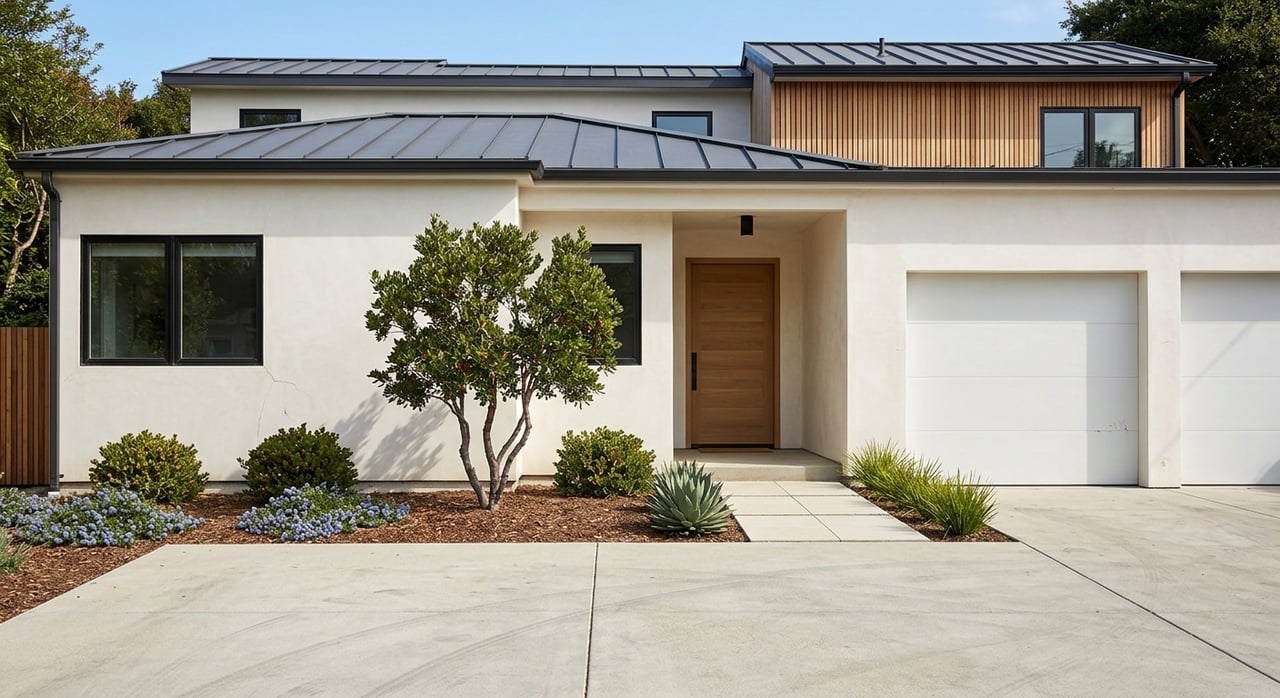
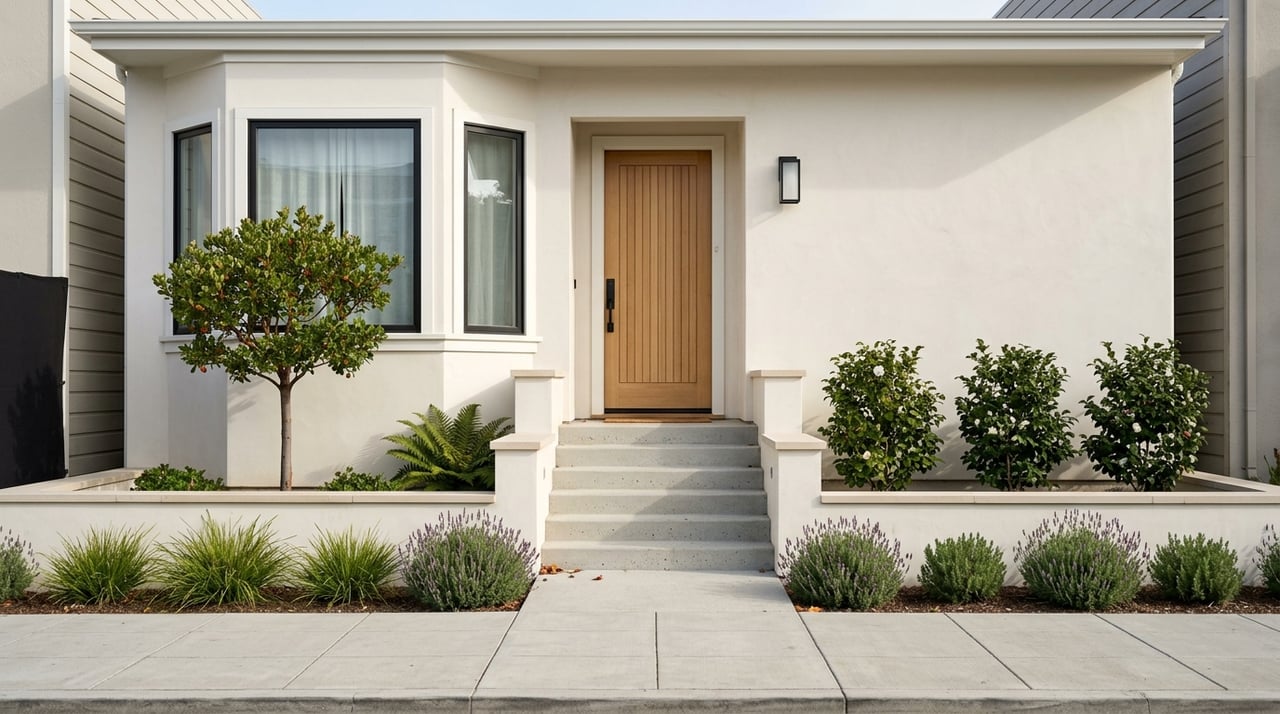
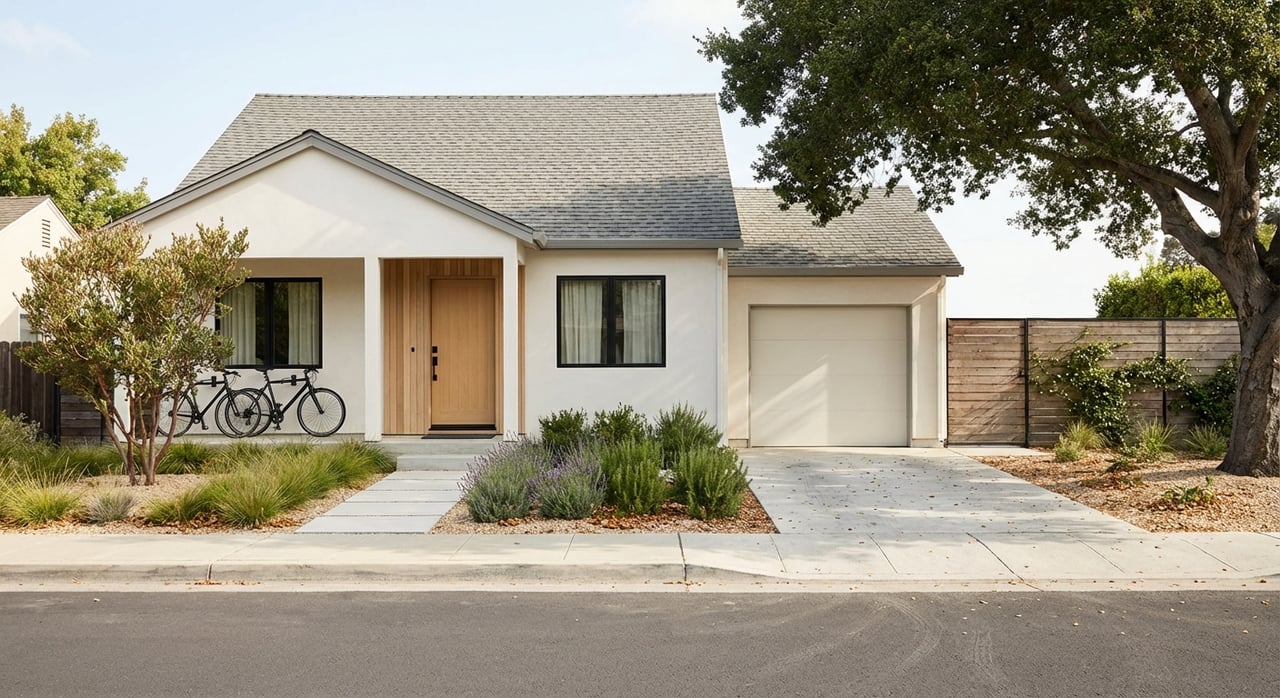
In broad terms, the East Bay often gives you more flexibility. Based on county price and housing data, that can mean choosing between a more urban condo market and a more suburban single-unit home market, depending on the city and your budget.
On the Peninsula, the same budget may point you toward a smaller footprint, an older property, or a condo or townhome instead of a detached home. That does not make one side better than the other. It simply means your money may stretch in different ways depending on where you buy.
Commute Matters More Than You Think
A first home is not just about what happens inside the property. It is also about how your daily routine works once you move in. If your job, family, or lifestyle is centered on the Peninsula, commute time may deserve just as much weight as price.
San Mateo County’s transit network is built around the Peninsula corridor. Caltrain provides rail service from San Francisco to San Jose, with commute service to Gilroy, and SamTrans provides bus service throughout San Mateo County, including the Coastside and parts of San Francisco and Palo Alto.
Alameda County relies more heavily on East Bay and transbay service. BART connects the Peninsula with East Bay and South Bay communities and serves places including Millbrae, Richmond, Dublin/Pleasanton, Antioch, and Berryessa/North San José. AC Transit operates in the East Bay and runs 14 transbay bus lines over two Bay Area bridges, while Dumbarton Express provides a weekday East Bay-to-Peninsula connection via the Dumbarton Bridge.
Comparing Daily Travel Realities
The county commute data adds useful context. Mean travel time to work is 27.2 minutes in San Mateo County versus 32.7 minutes in Alameda County. Public transit accounts for 6% of commutes in San Mateo County and 10% in Alameda County, while driving alone accounts for 62% and 56%, respectively.
That suggests the Peninsula has a shorter average commute, while Alameda County is more transit-oriented overall. If your work and social life are mostly on the Peninsula, saving on housing may come with a longer or more complex commute. For some buyers, that is a fair trade. For others, it becomes the deciding factor.
Housing Stock Feels Different on Each Side
At the county level, both areas offer a mix of housing, but the balance is different. San Mateo County has 63% single-unit housing and 57% owner-occupied housing. Alameda County has 60% single-unit housing and 55% owner-occupied housing, and it is denser overall, at 2,236 people per square mile compared with 1,656 in San Mateo County.
Those numbers point to a somewhat more urban and mixed pattern in Alameda County, while San Mateo County trends slightly lower-density and more commuter-oriented. Still, county-level data only tells part of the story. The actual feel can change a lot from one city to another.
Why City-Level Detail Matters
Not all East Bay or Peninsula cities look alike. Berkeley and Oakland have a more multi-unit, renter-heavy housing profile, while Fremont is more single-unit and owner-occupied. On the Peninsula, cities like San Mateo, Burlingame, and Redwood City all have mixed housing stock, but home values remain high.
Census Reporter data shows owner-occupied home values of $1.64 million in San Mateo, $1.88 million in Redwood City, and $2.0 million in Burlingame. That is why broad county comparisons can only take you so far. The right choice often comes down to which city gives you the best fit for your budget and routine.
Long-Term Value Is About More Than a Lower Price
It is easy to frame this decision as “East Bay is cheaper, Peninsula is pricier.” But that is only part of the picture. A better question is which option gives you the strongest mix of monthly affordability, commute fit, and resale demand over the next 5 to 10 years.
Right now, the Peninsula remains the premium market. Redfin’s April 2026 data showed San Mateo County sale prices up 4.2% year over year, while Alameda County sale prices were down 5.4% year over year. At the same time, both counties still had a majority of homes selling above list price, which shows demand remained competitive in each market.
Resale Strength by Area
City-level values reinforce the pricing hierarchy. Oakland’s median owner-occupied home value was $884,000, Berkeley’s was $1.43 million, and Fremont’s was $1.48 million. On the Peninsula side, San Mateo was $1.64 million, Redwood City was $1.88 million, and Burlingame was $2.0 million.
That does not guarantee future performance in any one market. It does show that location choice and city selection can shape both your entry point and your long-term flexibility. If you think you may move again in 5 to 10 years, resale demand should be part of the conversation from day one.
How to Decide Which Side Fits You
If you are stuck between the East Bay and the Peninsula, it helps to narrow the decision to a few practical questions. The right answer is usually the one that supports your everyday life, not just the one that looks best on paper.
Ask yourself:
- How much monthly payment feels comfortable, not just technically possible?
- How important is a shorter commute to your work and routine?
- Would you rather have more space or easier Peninsula access?
- Are you open to a condo or townhome if it means buying closer in?
- How likely are you to stay in the home for at least 5 to 10 years?
When you answer those questions honestly, the path usually starts to come into focus.
A Smart First-Home Strategy
For many San Mateo area buyers, the East Bay makes sense when price flexibility is the top priority and the commute is still workable. The Peninsula often makes sense when proximity, convenience, and long-term market strength are worth paying more upfront.
Neither choice is automatically right. What matters is finding the balance that lets you buy confidently without stretching past your comfort zone. A clear strategy can help you compare both options in a way that matches your goals, not just the headlines.
If you want help weighing East Bay value against Peninsula access, working through the tradeoffs with a local advisor can save time and help you focus on the homes and locations that truly fit. To start that conversation, connect with Chris A. Sabido.
FAQs
Should first-time buyers choose the East Bay or Peninsula for a lower home price?
- In general, Alameda County offers a lower median sale price than San Mateo County, but both markets are still competitive and often see homes sell above list price.
Is the Peninsula commute usually shorter than the East Bay commute?
- Based on county data, mean travel time to work is shorter in San Mateo County at 27.2 minutes compared with 32.7 minutes in Alameda County.
Does the East Bay have more transit options for Peninsula commuters?
- Alameda County is more transit-oriented on average, with BART, AC Transit transbay lines, and Dumbarton Express providing East Bay-to-Peninsula connections.
Are first homes on the Peninsula often smaller than East Bay options?
- In many cases, yes. The higher Peninsula price point often means buyers may need to consider a smaller home, an older property, or a condo or townhome.
Is San Mateo County a stronger long-term value market than Alameda County?
- San Mateo County remains the higher-priced market, and April 2026 data showed year-over-year sale price growth there, but the best choice depends on your payment comfort, commute needs, and expected time in the home.