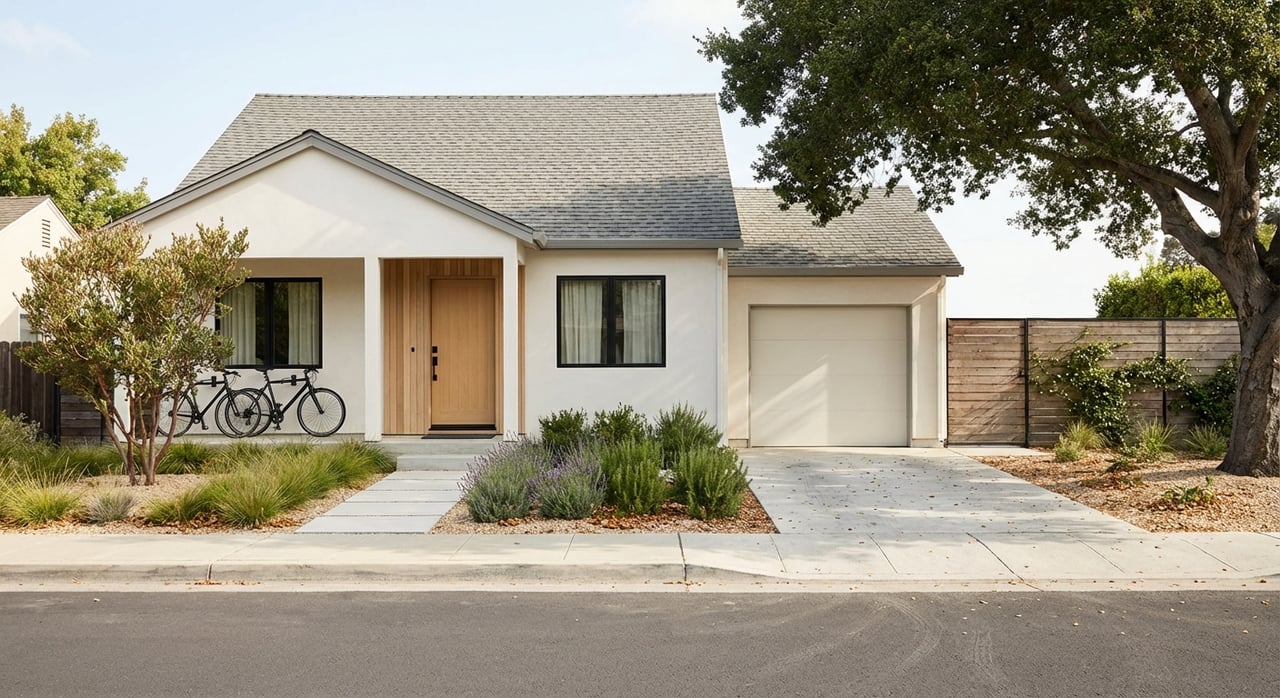

Buying in San Francisco can feel like choosing between two very different lifestyles. You may love the idea of a lower-maintenance condo, but still picture yourself wanting more privacy, more control, or a yard. The good news is that once you understand how cost structure, maintenance, financing, and resale work in this market, the decision becomes much clearer. Let’s dive in.
Why the Choice Matters in San Francisco
In San Francisco, the condo-versus-house question is not just about square footage. It is also about how you want to live, what kind of monthly costs you can comfortably carry, and how much responsibility you want to take on as an owner.
That matters even more in a market where prices and property types vary widely by area. Recent neighborhood-level data has shown a broad range, from about $692,500 in Central South of Market to roughly $1.765 million in Pacific Heights, around $1.88 million in the Marina District, and about $2.35 million in Monterey Heights. In other words, your decision about property type should be tied closely to your preferred location and budget.
San Francisco Market Reality
San Francisco remains one of the country’s most expensive and fast-moving housing markets. In March 2026, the metro median sale price was reported at $1.7 million, with homes selling in a median 14 days and at 113.6 percent of list price. The market also had only 1.8 months of supply, which points to continued competition.
That pace can affect your strategy. If you are comparing a condo and a house at the same time, it helps to be realistic about what each property type can offer at your price point in the neighborhoods you are actually considering.
Condo Benefits and Tradeoffs
A condo can be a strong fit if you want a more predictable maintenance setup. In a California common-interest development, the homeowners association collects regular assessments to fund operations and long-term reserves, which means many building-related costs are shared rather than handled by you alone.
For many buyers, that is a major advantage. Instead of personally managing every exterior issue, common-area repair, or large building project, you contribute through HOA dues as part of the ownership model.
What HOA dues really mean
HOA dues are not just an added bill. They are how the building pays for regular operations and reserve funding over time, according to the California Department of Real Estate’s guidance on common-interest developments.
That structure can reduce your day-to-day maintenance burden, but it also means you are part of a shared financial system. If reserves fall short or unexpected repairs come up, the association may need special assessments for major repairs, replacements, or unplanned expenses.
Condo rules and governance
When you buy a condo, you are not only buying the unit itself. You are also buying into a set of rules, architectural guidelines, and association governance.
That can work well if you value consistency and a managed property environment. Still, it is important to review the HOA documents carefully so you understand both the monthly obligations and the limits on what you can change or control.
House Benefits and Tradeoffs
If privacy, independence, and flexibility matter most to you, a house may be the better fit. Detached homes generally give you more control over remodeling, outdoor use, and how you maintain the property over time.
That kind of control can be especially appealing in San Francisco, where private outdoor space still carries real value. In a recent analysis of local home features, listings that mentioned a backyard had a median list price of $1.486 million and a 121.5 percent sale-to-list ratio, showing that outdoor space remains meaningful to many buyers.
More control, more responsibility
The biggest advantage of a house is also its biggest tradeoff. You usually have more say over the property, but you also take on more direct responsibility for upkeep.
Unlike a condo, there is no association collecting dues to handle shared repairs or long-term reserve planning. You are the one budgeting for maintenance, repairs, and capital improvements as they arise.
Where TICs fit in
In San Francisco, some buyers also compare condos and houses with TICs, or tenancies in common. A TIC is a different ownership structure, and it can be a path into certain properties that may not be set up as standard condominiums.
According to SF.gov’s overview of tenancy in common units, a TIC is a form of co-ownership where the parcel is treated as one unit for property-tax billing, while the owners typically have agreements that assign exclusive occupancy rights to specific units.
Why TICs require extra diligence
TICs can work well for some buyers, but they usually come with more customized financing and documentation. The California Department of Real Estate’s TIC guidelines note that these transactions often require more detailed financing paperwork and appraisal support.
In practical terms, that can mean a narrower lender pool and a more tailored underwriting process. If you are considering a TIC, you want to be comfortable with extra due diligence and a less standardized path than you would expect with a detached house or traditional condo.
Financing can change the answer
The right property type is not only about lifestyle. It is also about what loan options are available to you.
For condo buyers, financing can be more project-sensitive than it is for detached homes. For example, HUD explains that FHA condo loans require either an FHA-approved condominium project or Single-Unit Approval, along with standards related to insurance, financial condition, title, legal matters, and physical condition.
That does not mean condos are harder across the board. It simply means the building itself can affect your financing path in ways that a detached house typically does not. If your budget depends on a specific loan type, this detail can be a deciding factor.
Taxes and carrying costs
Monthly affordability in San Francisco goes beyond the mortgage payment. You should also compare taxes, dues, and likely maintenance exposure.
According to SF.gov’s property assessment information, Proposition 13 generally limits assessment growth to 2 percent per year unless there is a change in ownership or new construction. The city tax rate is 1 percent plus voter-approved bonds and direct assessments, and owner-occupants may qualify for a homeowners’ exemption that can reduce assessed value by up to $7,000.
For TICs, SF.gov notes that when a percentage share is sold, only that portion is reassessed at current market value. That is a useful distinction if you are comparing ownership structures side by side.
Resale depends on the specific property
Many buyers ask whether condos or houses appreciate better in San Francisco. The most honest answer is that there is no universal winner.
Market data shows that San Francisco condo prices rose 24.4 percent year over year in March 2026, while the broader market remained fast and competitive. At the same time, resale performance can vary a lot by building, block, price band, and neighborhood.
That is why it helps to look past broad headlines. A well-located condo with solid reserves and strong buyer appeal may outperform expectations, while a detached house in a different price bracket may tell a different story. In San Francisco, resale is highly local and highly specific.
How to decide what fits you best
The easiest way to choose between a condo and a house is to focus on the tradeoffs that will affect your day-to-day life and your long-term comfort.
A condo may fit you best if
- You want lower day-to-day maintenance responsibility
- You are comfortable treating HOA dues as part of your monthly housing cost
- You prefer a shared maintenance model over handling every repair yourself
- You are comfortable reviewing and living under HOA rules and governance
A house may fit you best if
- You want more privacy and more direct control over the property
- You value flexibility for remodeling and outdoor use
- Private outdoor space matters to you
- You are prepared to budget for repairs and maintenance directly
A TIC may fit you best if
- You are open to a co-ownership structure
- You understand that financing may be more specialized
- You are comfortable with more customized paperwork and lender review
- You want to explore alternatives to standard condo ownership
A practical San Francisco framework
If you are still torn, use this simple question: do you want shared responsibility or personal control?
A condo often offers more shared responsibility, which can make ownership feel more streamlined. A house usually gives you more personal control, but with that comes more direct financial and maintenance responsibility. A TIC can sit somewhere in between for buyers who are comfortable with a more customized path.
In a city as varied and competitive as San Francisco, the best choice is the one that matches your budget, timeline, financing options, and tolerance for upkeep. If you want help comparing neighborhoods, property types, and real monthly ownership costs, connect with Chris A. Sabido for thoughtful, personalized guidance.
FAQs
What is the main difference between a condo and a house in San Francisco?
- A condo usually offers shared maintenance through HOA dues and association governance, while a house gives you more control and privacy but also more direct responsibility for repairs and upkeep.
Are HOA dues in San Francisco condos worth it?
- HOA dues can be worthwhile if you value a shared maintenance model, but you should review what the dues cover, the reserve funding, and the possibility of special assessments before you buy.
Is a house always a better investment than a condo in San Francisco?
- No. Resale and appreciation depend heavily on the specific property, building, neighborhood, and price range rather than property type alone.
What should buyers know about TIC homes in San Francisco?
- TICs are a co-ownership structure with exclusive occupancy rights typically defined by agreement, and they often involve more specialized financing and documentation than standard condos or houses.
Can financing be harder for a San Francisco condo?
- Yes, it can be more project-sensitive, especially for buyers using FHA financing, because the condo project may need to meet specific approval standards.
How do property taxes work when buying in San Francisco?
- Property taxes generally follow Proposition 13 rules, with assessment growth usually limited to 2 percent annually unless there is a change in ownership or new construction, and owner-occupants may qualify for a homeowners’ exemption.