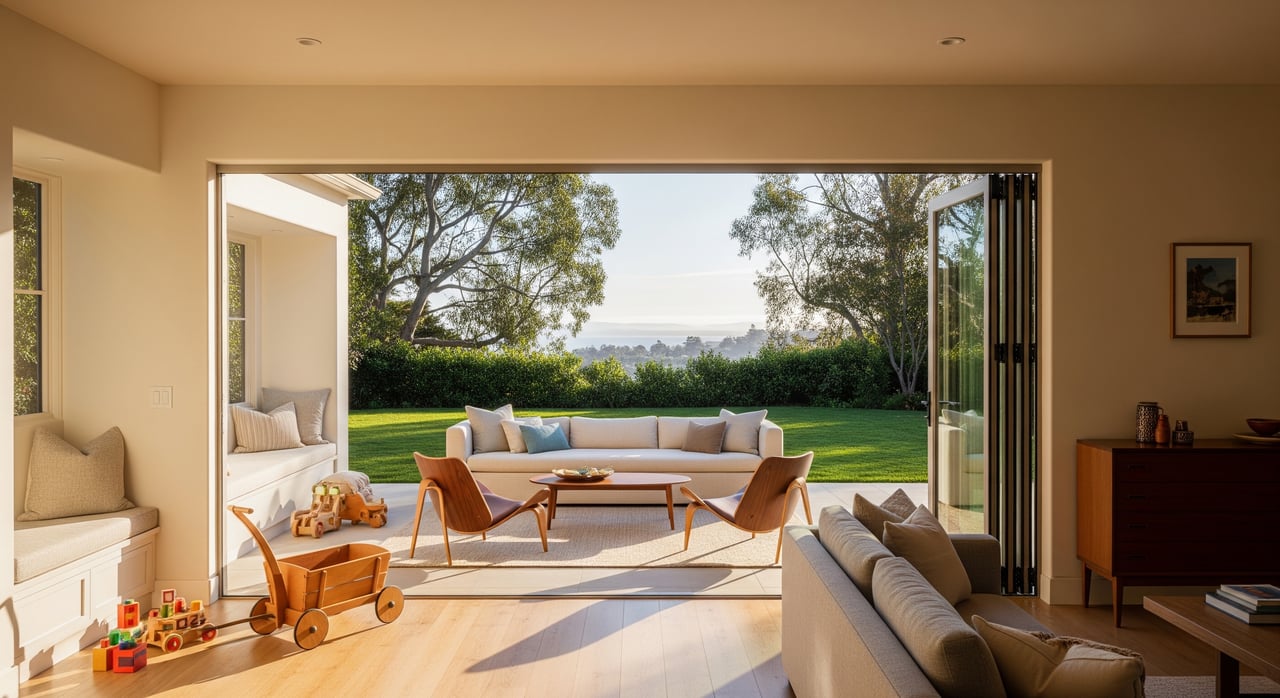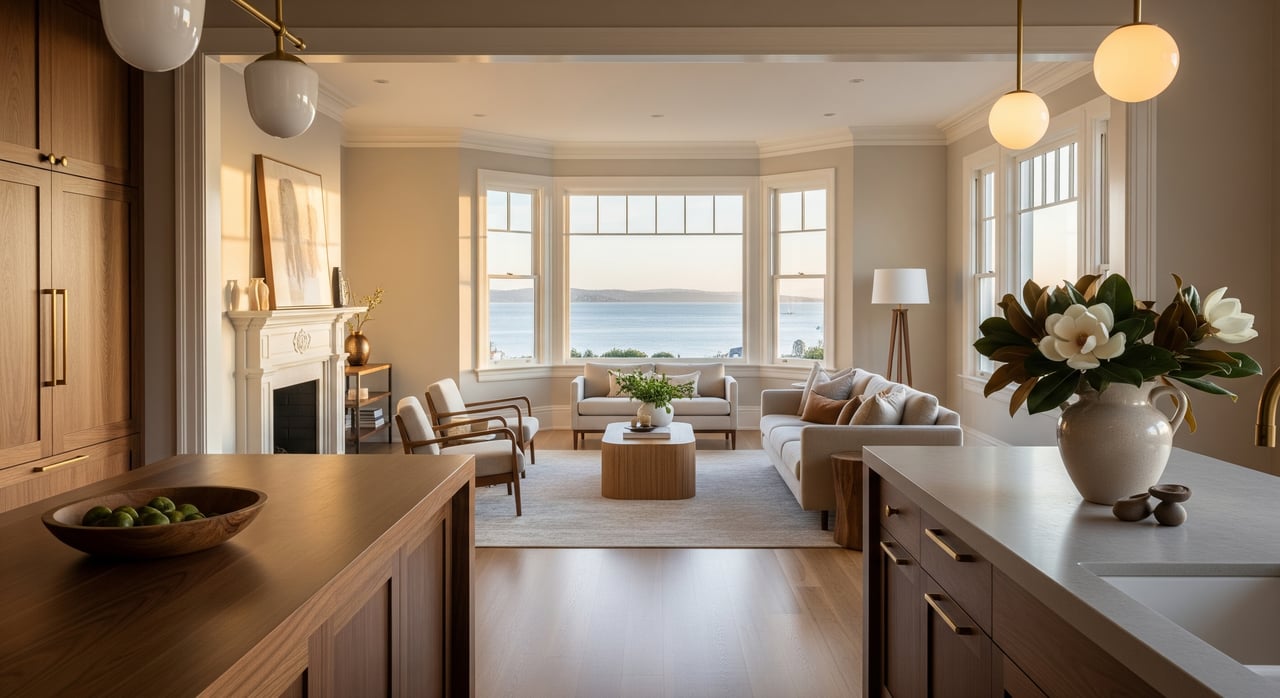

Ever see sun on one block and fog two minutes later? That is everyday life in San Francisco, and it matters when you are choosing a home. If you are relocating or refining your search, understanding microclimates can save you from chilly decks, windblown rooftops, or dim living rooms you did not expect. In this guide, you will learn how SF’s microclimates work, which neighborhoods tend to be sunnier or foggier, what home features to prioritize, and how to tour like a local. Let’s dive in.
San Francisco microclimates 101
San Francisco’s weather shifts fast over short distances. A microclimate is a small-area climate shaped by local factors like topography, proximity to water, vegetation, and building density. In SF, the marine layer and coastal fog, northwesterly winds, and a complex hill system create distinct pockets of sun, wind, and temperature.
Fog season typically peaks from late spring through summer, with cool mornings and evenings along the coast and clearer afternoons inland. Hills like Twin Peaks create wind shelter and rain shadows. On the same day, neighborhoods only a few miles apart can feel several degrees different, sometimes by as much as 10-20°F. That is why citywide weather reports rarely match your lived experience on a particular block.
Neighborhood snapshots
Below are practical, tour-focused profiles. Expect block-to-block variation and remember that south-facing slopes often get the best light.
Western neighborhoods: Outer Sunset, Outer Richmond
- Typical: Cool, foggy, and breezy, especially in fog season; cooler year-round.
- Outdoor use: Shorter comfortable windows; ocean-facing decks can be windy.
- Home features: Strong heating, good ventilation to prevent moisture, insulated windows, and value for southern exposure.
Inner Sunset, Inner Richmond, near Golden Gate Park
- Typical: Cooler and fog-prone, but somewhat moderated versus the outer blocks.
- Outdoor use: Partial sun pockets; sheltered courtyards shine.
- Home features: Protected patios, skylights, and dehumidification considerations.
Marina and Cow Hollow vs. Richmond (inner)
- Typical: Marina/Cow Hollow often sunnier but windy due to channeling breezes; inner Richmond is mixed, cooler westward.
- Outdoor use: Rooftop decks are popular but breezy near the bay.
- Home features: Wind screens and protected terraces in the Marina; south-facing yards prized in the Richmond.
Northern waterfront and Embarcadero/Wharf
- Typical: Bright mornings with strong winds at times; temperatures swing with bay influence.
- Outdoor use: Balconies and rooftops see frequent use, though breezy; salt air impacts maintenance.
- Home features: Rust-resistant hardware and regular exterior upkeep.
Russian Hill, Nob Hill, Telegraph Hill, North Beach
- Typical: Mixed conditions; hilltops catch more sun, ridges can be windy.
- Outdoor use: South-facing slopes offer warm terraces and gardens.
- Home features: South-facing windows, sheltered balconies, and wind screens.
Central/east side: Mission, SoMa, Dogpatch, Potrero Hill
- Typical: Among the warmest and sunniest areas; less fog intrusion.
- Outdoor use: Longer outdoor season; roof decks and patios see daily use.
- Home features: Cross-ventilation, shading or low-e glazing, and solar potential.
Southern hills: Noe Valley, Bernal Heights, Glen Park
- Typical: Warmer, sunnier, and less windy thanks to hill shelter.
- Outdoor use: Reliable gardens and decks; strong afternoon sun on south exposures.
- Home features: South-facing living spaces and larger operable windows.
Twin Peaks and higher elevations
- Typical: Cooler and windier; fog can hug the peaks while valleys are sunny.
- Outdoor use: Exposed decks may feel cool and gusty.
- Home features: Wind-rated construction and upgraded insulation and glazing.
Bayview, Hunters Point, southeastern neighborhoods
- Typical: Variable and block-specific due to topography and industrial footprints.
- Outdoor use/features: Evaluate wind shelter and heat pockets on a block-by-block basis.
Home features to prioritize
Use the microclimate to guide your feature checklist so your home lives the way you expect year-round.
Orientation and sunlight
- Seek south- or west-facing windows, upper floors, and roof decks if you want more light in fog-prone areas.
- In sunnier spots like the Mission or Noe, orientation is less critical, though west-facing rooms can still feel cool late day.
Outdoor space usability
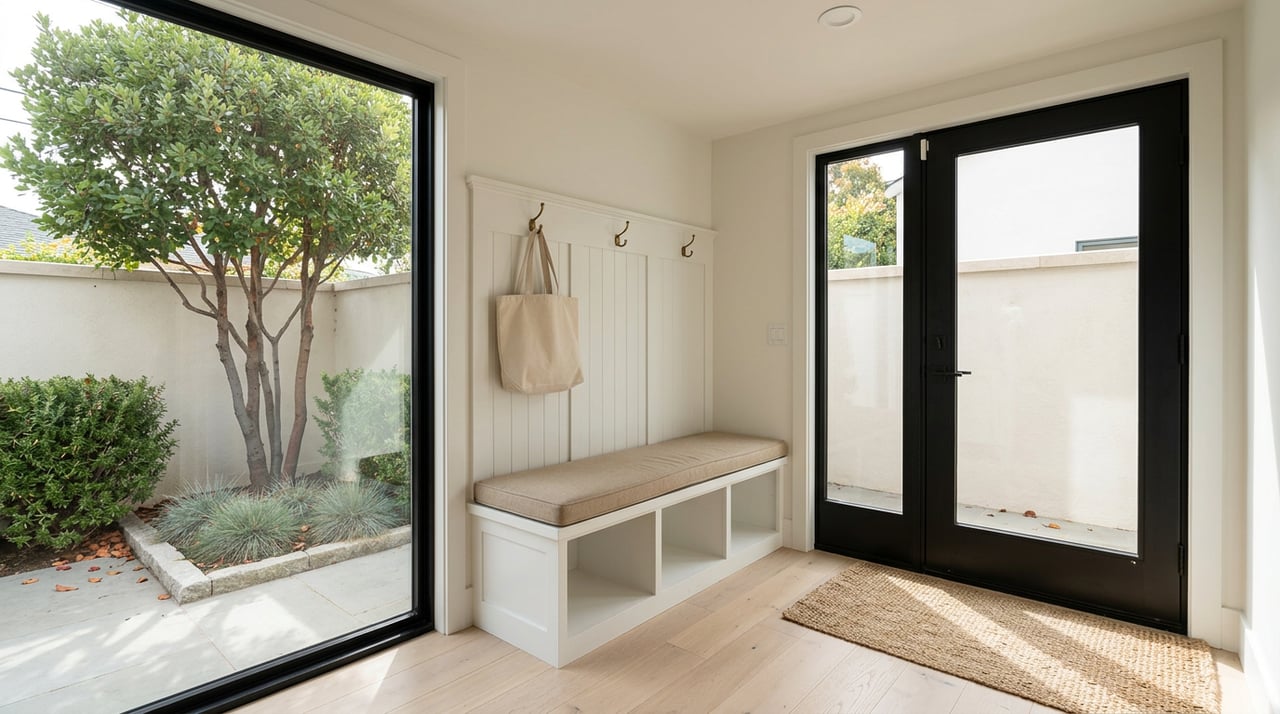
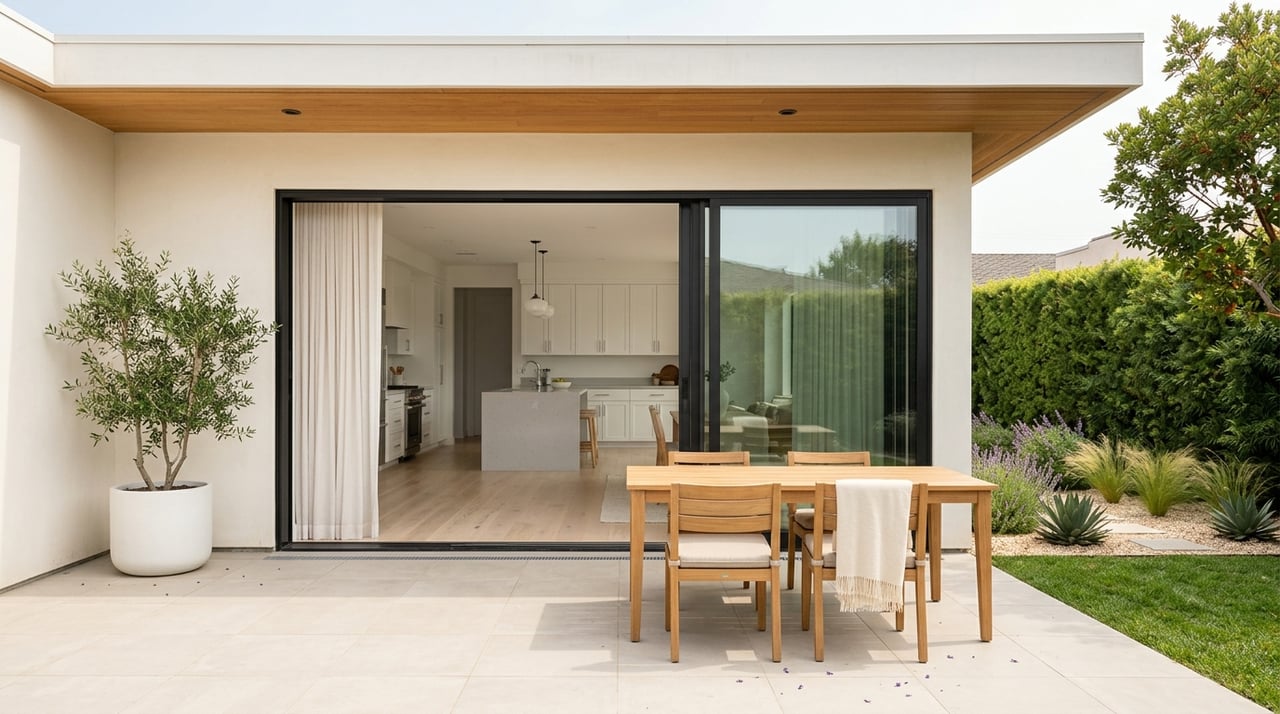
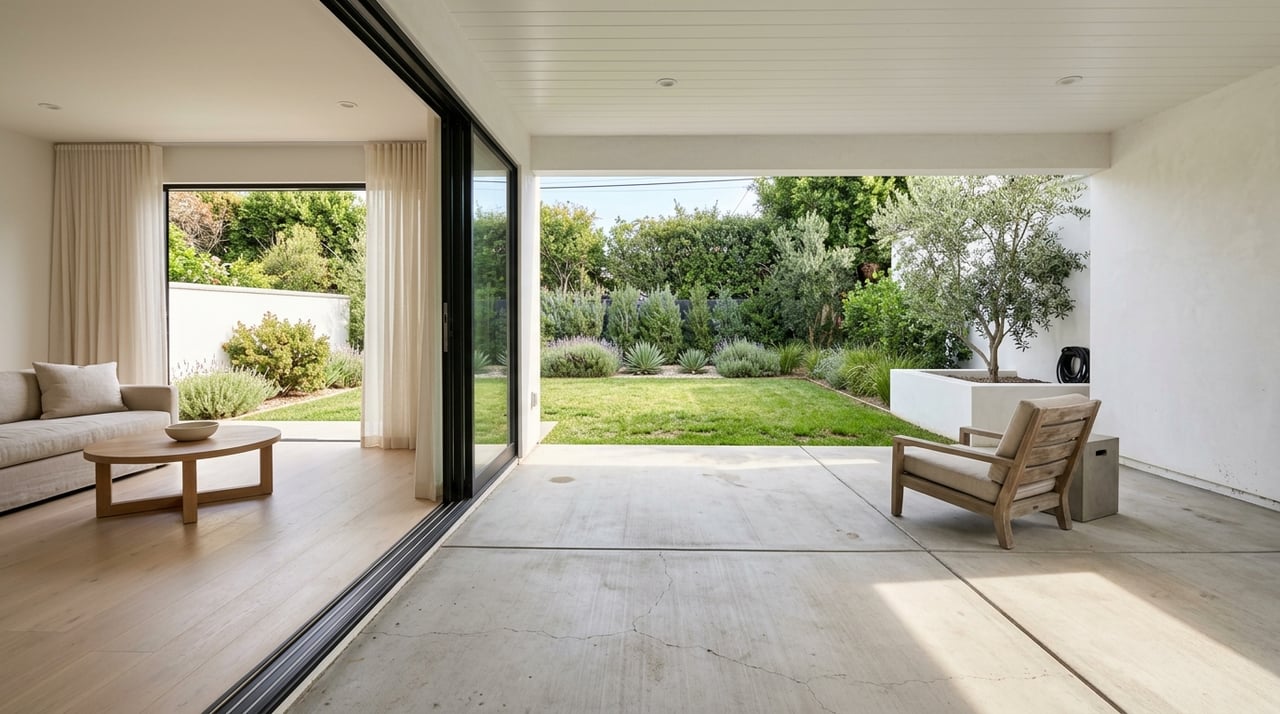
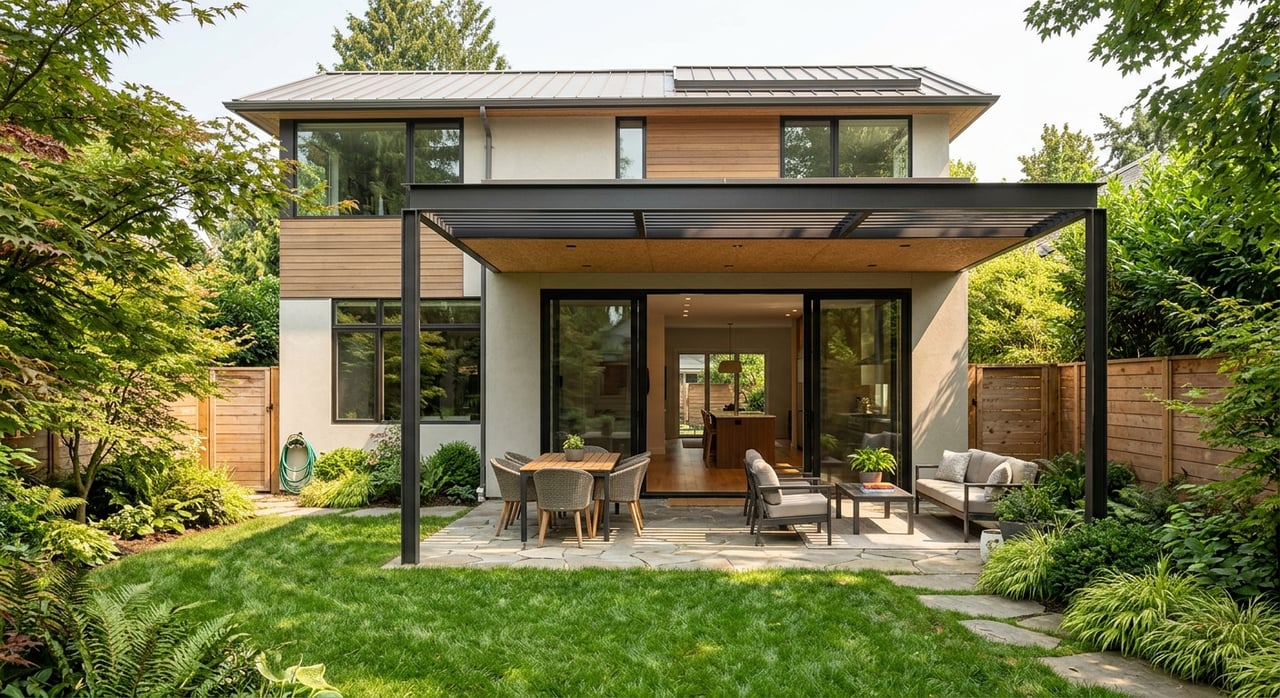
- Foggy or windy areas: prioritize sheltered patios, courtyard layouts, and glass windbreaks.
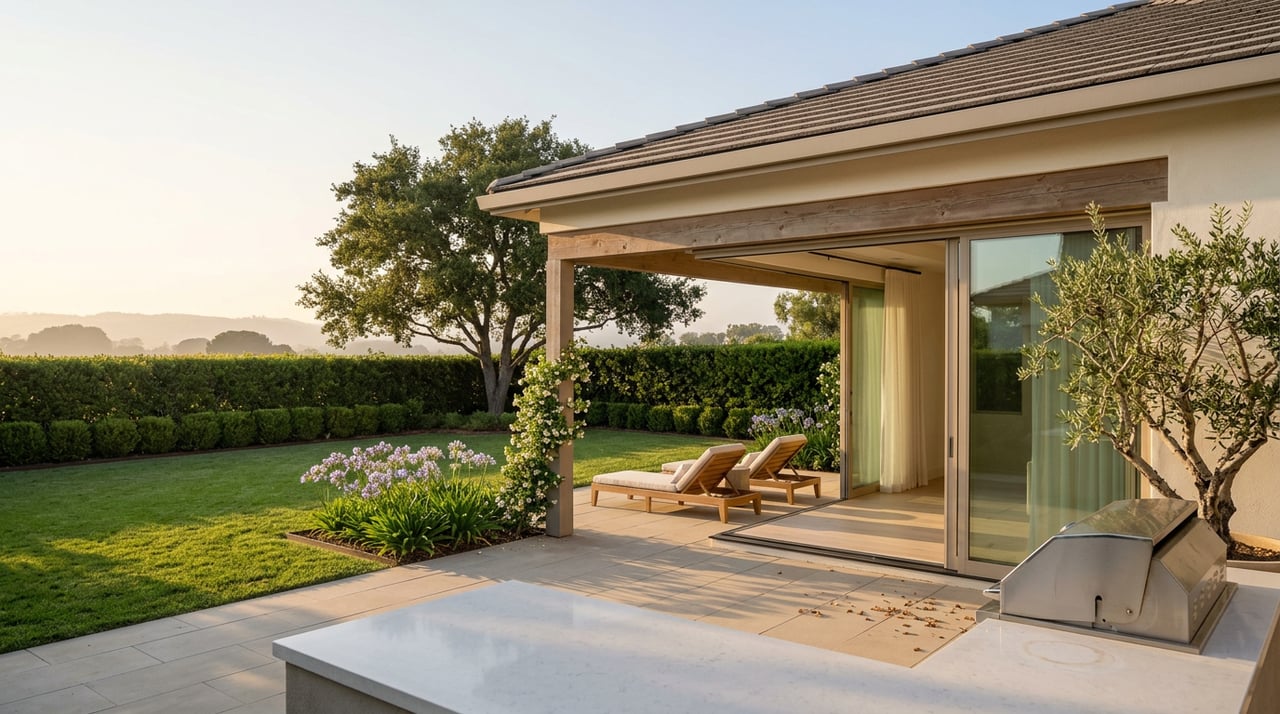
- Sunny areas: larger decks, roof gardens, and outdoor kitchens are more practical year-round.
- Near the bay: plan for salt-air wear and rust-resistant fixtures.
Windows and ventilation
- Foggy/cool zones: double-pane windows and tight seals reduce heat loss and moisture buildup.
- Sunny/warm zones: operable windows for cross-breezes, shades or low-e glass, and passive cooling tactics.
Heating, cooling, and energy
- Foggy neighborhoods usually need more heating throughout the year.
- Sunnier neighborhoods may need cooling solutions on warm days; ceiling fans and ventilation can help.
- Solar viability depends on roof orientation and local cloudiness; evaluate case by case.
Moisture and materials
- In persistent fog belts, check for mold, rot, and drainage issues in basements and crawlspaces.
Landscaping choices
- Foggy/coastal: salt-tolerant, wind-hardy plantings in sheltered beds.
- Sunny/warm: Mediterranean and drought-tolerant species perform well.
Resale and lifestyle fit
- If you value regular outdoor living or gardening, favor neighborhoods with consistent sun.
- Confirm listing claims like “sunny” or “quiet” by visiting at multiple times of day.
Touring strategy that works
A smart tour plan will reveal how a property actually lives in different weather.
When to visit
- Morning: capture coastal fog and calmer inland warmth.
- Mid-afternoon: see inland clearing and peak sea breezes.
- Evening: assess temperature drop and fog return. If possible, spend a full day in top contenders.
What to observe
- Sun tracks: which rooms and outdoor areas get direct sun, and when.
- Wind: feel balcony and yard exposure; listen for wind noise.
- Temperature: compare perceived warmth to other neighborhoods you toured the same day.
- Moisture signals: musty smells, stains, peeling paint, or efflorescence in lower levels.
- Vegetation: salt-scorched leaves near the coast or lush sun gardens inland can indicate exposure.
Questions to ask
- Which direction do primary living spaces and outdoor areas face?
- Any past moisture, mold, or drainage issues? What repairs were done and when?
- How old are the windows and HVAC systems? Is there attic and wall insulation?
- Roof orientation and condition? Any prior solar assessment or installation?
- Any known wind corridors or noise patterns affecting the property?
Tools to use before and after tours
- Check neighborhood-level weather stations and cams for typical fog and wind patterns.
- Review listing photos against your live impressions, especially for “sunny deck” claims.
Shortlist and negotiation tips
Turn observations into leverage and clarity as you refine your options.
Create a climate priority matrix
- Rank your need for sunlight, outdoor-living hours, wind tolerance, and moisture-risk tolerance.
- Use those rankings to filter neighborhoods and set your tour order.
Use findings in negotiations
- In damp microclimates, consider credits or repairs for ventilation, dehumidification, window upgrades, or drainage improvements.
- If solar potential looks strong, include a solar assessment in contingencies.
Balance commute and comfort
- Many buyers trade a slightly longer commute for more predictable sun and outdoor use. Weigh the daily experience against logistics.
Buyer scenarios and tradeoffs
Sun-seeker who wants daily outdoor time
- Focus on the Mission, Noe Valley, Bernal Heights, Potrero Hill, and Dogpatch. Look for south-facing yards, large operable windows, and roof decks with light wind screening.
Ocean-and-fog enthusiast
- Outer Sunset and Outer Richmond can feel calm and restorative if you enjoy cool air and soft light. Prioritize strong heating, insulated windows, and wind-sheltered patios.
Rooftop-living city buyer
- Marina, Cow Hollow, and parts of the northern waterfront offer frequent brightness but can be windy. Choose buildings with protected terraces and rust-resistant materials.
View-first hill buyer
- Russian Hill, Nob Hill, and Telegraph Hill have sun pockets and breezes. South-facing windows and smart wind screens help maximize comfort.
Final take
Microclimates are the hidden variable in San Francisco real estate. Two homes a mile apart can offer completely different light, wind, and temperature profiles. If you plan your tours across times of day, match features to each neighborhood’s pattern, and ask the right questions, you will land on a home that lives the way you want year-round.
If you want a tailored shortlist, thoughtful tour plan, and negotiation strategy that factors in SF microclimates, reach out to Chris A. Sabido. Let’s align your day-to-day comfort with the right home and neighborhood.
FAQs
How big are temperature swings between SF neighborhoods?
- Differences of several degrees are common, and on some days you can see 10-20°F between foggy western areas and sunnier inland neighborhoods.
When is San Francisco foggiest for home tours?
- Fog and marine layer influences often peak from late spring through summer, with cooler mornings and evenings near the coast and clearer inland afternoons.
What home features help in fog-prone neighborhoods?
- Double-pane windows, reliable heating, controlled ventilation or dehumidification, and sheltered outdoor spaces improve comfort and reduce moisture issues.
Do sunny neighborhoods in SF need air conditioning?
- Many sunnier areas benefit from cross-ventilation, shading, and passive cooling; some buyers add AC or heat pumps for warm spells.
How do microclimates affect solar potential on a home?
- Foggy zones have lower solar yield; roof orientation, shading, and local cloudiness drive feasibility. A site-specific assessment is recommended.
What should I ask sellers about moisture and wind exposure?
- Ask about past moisture or drainage problems, repairs made, window and HVAC age, insulation, roof orientation, and any known wind corridors or noise patterns.