Outgrowing your current space and eyeing the Peninsula for your next chapter? If you want strong community programs, easy access to parks and beaches, and a realistic commute to major job hubs, San Mateo County checks a lot of boxes for families. You also face real tradeoffs — housing costs, school boundaries, and daily logistics all matter. In this guide, you’ll learn how different neighborhoods fit family life, what to know about schools and childcare, where you’ll spend your weekends, and how to plan a confident move. Let’s dive in.
How San Mateo County feels for families
San Mateo County blends lively downtowns with quiet suburban streets and coastal escapes. You’ll find walkable cores in cities like San Mateo and Redwood City, planned neighborhoods in Foster City and San Carlos, and private, low-density areas in Hillsborough and Woodside. Many families lean into an outdoor lifestyle with year-round parks, trails, and beaches.
The region is diverse in culture and language. That shows up in local festivals, public library programs, and a wide range of dining and grocery options. Hybrid work is common, so you may see school drop-offs paired with mid-day errands and fewer five-day commutes.
Travel is simple when family visits or school breaks roll around. Proximity to major employment centers in San Francisco and the South Bay adds flexibility for work and after-school schedules.
Neighborhood types and tradeoffs
Choosing a neighborhood starts with your daily rhythm. Think about school drop-off, after-school programs, green space, and your commute. Here’s how different parts of the county often line up for families.
Urban or suburban downtowns
Examples: San Mateo, Redwood City
- Pros: walkable restaurants, libraries, community centers, frequent after-school options, and stronger transit. Caltrain and frequent buses make commuting more predictable.
- Cons: smaller yards, more condos and townhomes, and higher pricing closest to downtown.
- Good fit: if you want to walk to amenities and keep SF or South Bay commutes manageable.
Suburban planned communities
Examples: Foster City, parts of Burlingame, San Carlos
- Pros: neighborhood parks, family-focused layouts, and a strong reputation for community programming.
- Cons: limited inventory and premiums for single-family homes with yards.
- Good fit: if you value neighborhood schools, playgrounds, and a friendly block-to-block feel.
Affluent low-density enclaves
Examples: Hillsborough, Woodside
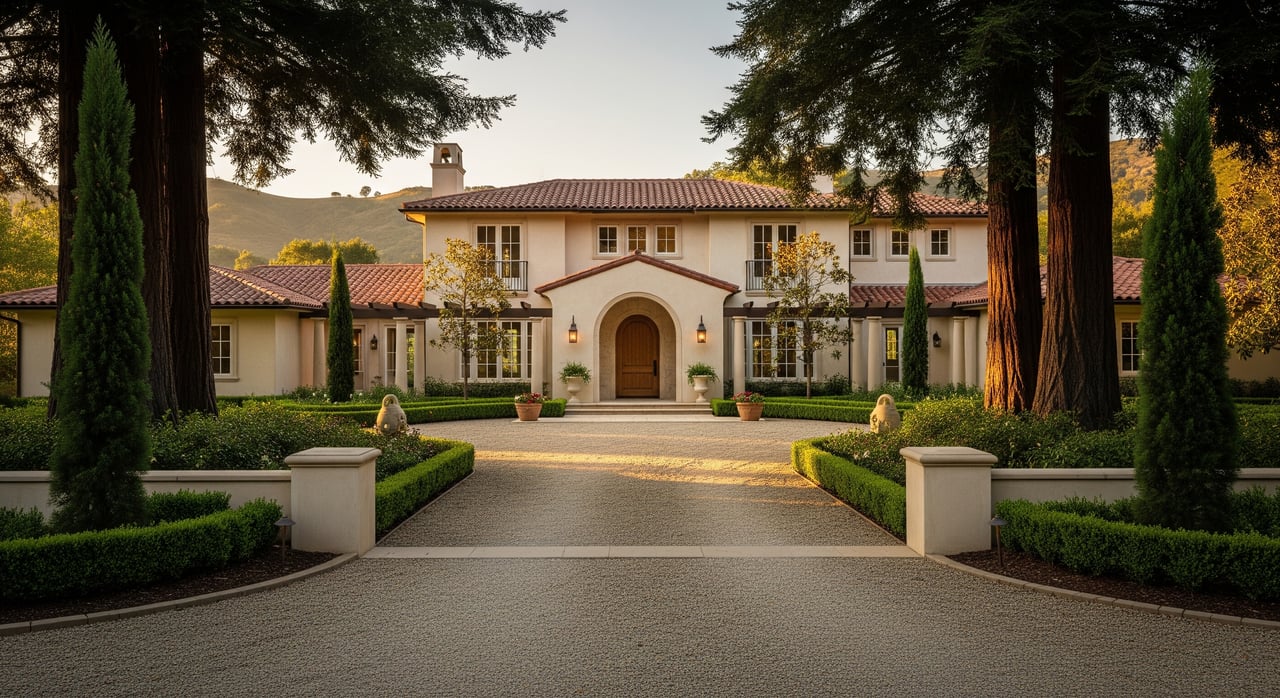
- Pros: larger lots, privacy, and access to schools with broad program offerings, including private options nearby.
- Cons: very high housing costs and fewer nearby public services in the smallest towns.
- Good fit: if you want space and privacy and can absorb the premium.
Coastal towns
Examples: Pacifica, Half Moon Bay, Montara
- Pros: quick beach access, scenic hiking, and a slower pace.
- Cons: longer commutes to some job centers and cooler, foggier weather on many days.
- Good fit: if coastal living and outdoor time are at the top of your list.
North-county and tech-adjacent pockets
Examples: Menlo Park, parts of Redwood City
- Pros: close to major Silicon Valley employers and Palo Alto, with well-regarded programs in many nearby schools.
- Cons: among the highest housing costs in the county.
- Good fit: if you want a shorter commute to South Bay campuses.
How to choose your neighborhood
- Start with school attendance boundaries, not just district names. Confirm assignments on district sites like the San Mateo-Foster City School District and San Mateo Union High School District.
- Weigh yard space against walkability. Downtown homes trade yards for proximity to parks, programs, and transit.
- Think resale early. Homes near highly regarded elementary schools and transit often keep demand through market cycles.
Schools, childcare, and enrichment
You have multiple pathways, so focus on fit as much as reputation. Program offerings, culture, and logistics matter day to day.
K–12 overview
- Elementary and middle: Many areas operate K–8 systems with separate elementary and middle districts. Cities like San Mateo, Foster City, Burlingame, Redwood City, and San Carlos each have distinct setups.
- High school: Most high schools are in regional districts, such as San Mateo Union High School District and Sequoia Union High School District. Offerings can include AP and college-preparatory programs, and electives vary by campus.
- Private and parochial: Independent and religious schools are common and draw families from multiple towns.
Quality is highly localized. A few blocks can change a school assignment. Use district sites and state data to compare programs, enrollment, and outcomes. The California Department of Education and the San Mateo County Office of Education provide school-level data and countywide resources. Look beyond general ratings to confirm program availability, from STEM and language immersion to arts and special education.
Parcel taxes and bonds often fund programs and facilities, which is one reason school quality and local property costs can be linked. Review current measures and what they support in your target districts.
Early childhood and childcare
Expect strong demand. Full-time infant and toddler care is typically the most competitive and expensive, with preschool and in-home care offering varied pricing. Many families use a mix of center-based care, family childcare homes, nannies, nanny shares, or co-op preschools.
Plan ahead. Popular programs often have waitlists, and many families begin outreach 6 to 12 months before they need a spot. The San Mateo County Office of Education can point you to countywide preschool resources.
After-school and enrichment
You’ll find school-based programs, city recreation activities, and private classes in music, sports, coding, and robotics. Libraries across the county host story times, homework help, and family events. These low-cost options are a helpful bridge between school and dinner hour.
Daily life: parks, healthcare, and commuting
San Mateo County makes it easy to get outdoors, care for your family, and reach job centers. A little planning goes a long way.
Parks and kid-friendly highlights
- San Mateo Central Park for playgrounds and seasonal events
- Coyote Point Recreation Area and CuriOdyssey for hands-on science and wildlife exhibits
- Sawyer Camp Trail and Crystal Springs Reservoir for family biking and hikes
- Fitzgerald Marine Reserve and Half Moon Bay beaches for tidepools and coastal walks
- Filoli Historic House & Garden for seasonal programs and garden walks
For trail maps, campgrounds, and facilities across the county, browse San Mateo County Parks.
Healthcare and pediatric options
You have access to multiple systems, including Kaiser Permanente, Sutter Health, Sequoia Hospital, and the county-run San Mateo Medical Center. Stanford and UCSF are nearby referral centers. Proximity to urgent care is a common tie-breaker for many families, especially with little ones.
Commute patterns and transit
Many households include at least one commuter to San Francisco or the South Bay, though hybrid schedules reduce daily trips for some families. Transit options help you stay flexible:
- Caltrain runs along the Peninsula with stops in many San Mateo County cities.
- SamTrans connects neighborhoods to Caltrain and BART hubs.
- BART reaches Millbrae, which links to the East Bay and SFO.
If you drive, expect peak-hour congestion on 101 and I-280, especially during school-year commute windows. Families with younger kids often prioritize living close to elementary schools to make drop-off and pick-up easier.
Housing choices and long-term planning
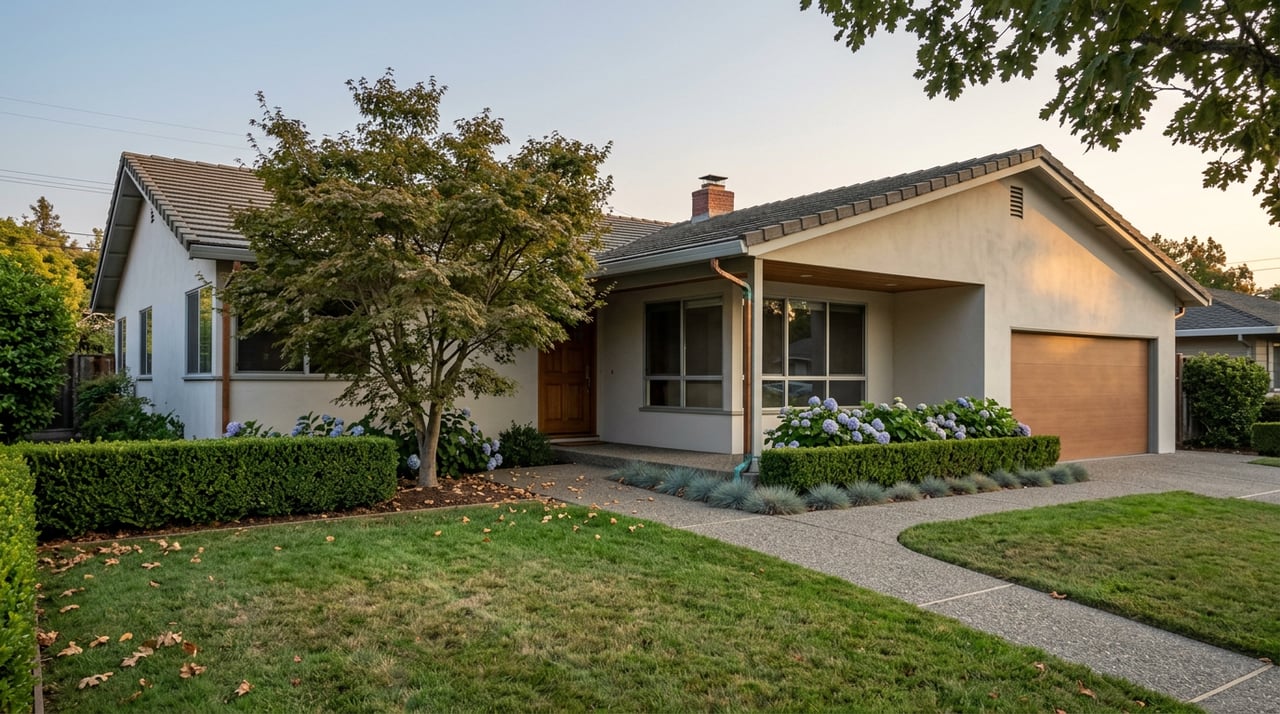
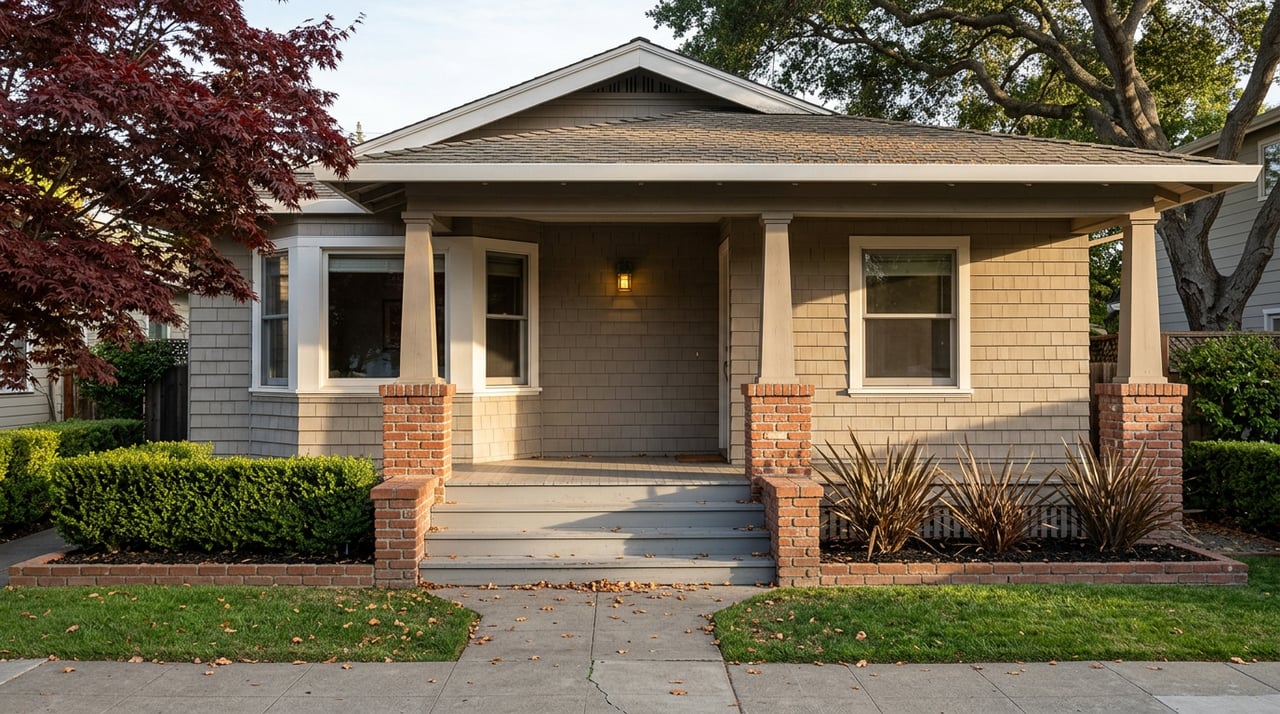
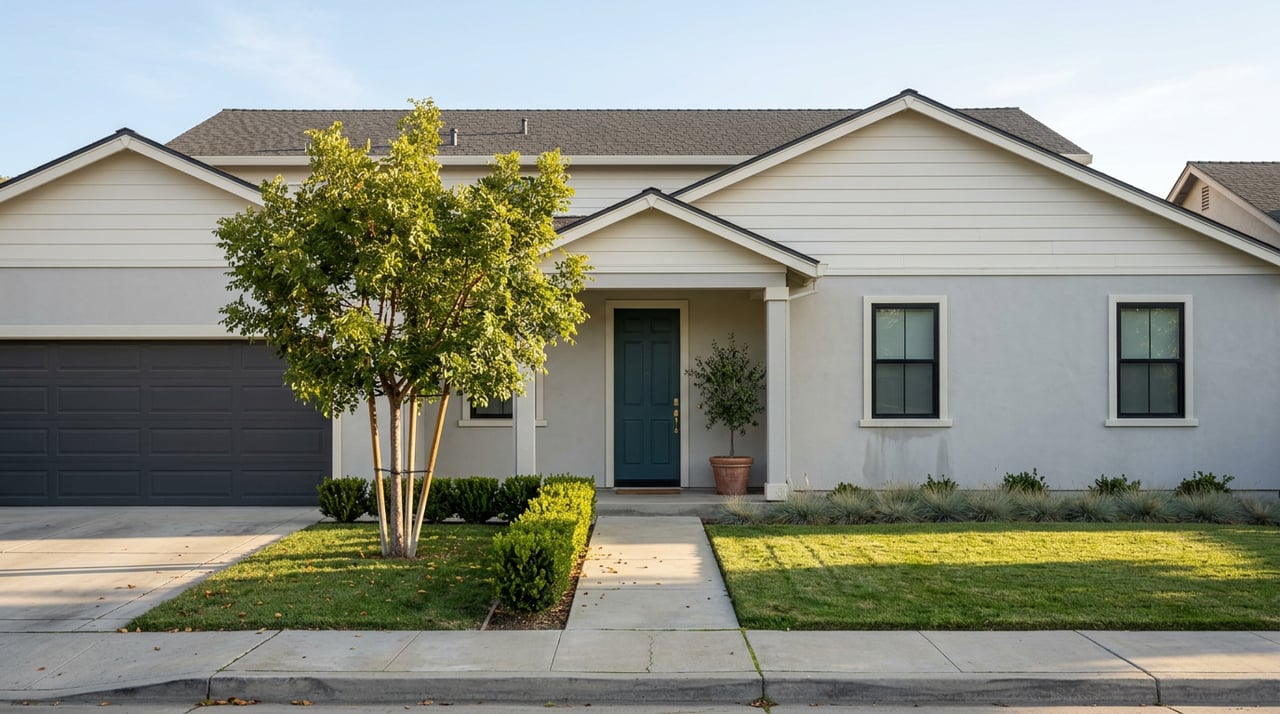
San Mateo County offers a mix of single-family homes on smaller lots, townhomes and condos in denser areas, and occasional newer townhome developments. You’ll also see a wide range of ages and styles, from early 20th-century homes and mid-century ranches to modern rebuilds.
This is a high-cost region with limited family-sized inventory in many neighborhoods. Homes near popular elementary schools or walkable downtowns often draw strong interest. Property taxes are governed by Proposition 13, and many properties include parcel taxes and bond assessments that support schools and services. Some newer developments may include Mello-Roos fees.
Buying strategy for families
- Align on your top three priorities. Common tradeoffs include yard size, commute time, and program offerings at the assigned schools.
- Target school boundaries early. Attendance zones often drive value and demand. Confirm with district sites like the San Mateo-Foster City School District.
- Think five to ten years ahead. If you see a middle school or high school transition on the horizon, plan for it now.
- Keep transit in play. Homes near Caltrain stations or BART connections can help future resale and daily logistics.
Renting vs. owning
Some families rent first to learn school boundaries and test daily routines. Keep in mind that family-sized rentals are in demand and pricing is also high. Owning can stabilize monthly costs over time and give you more control over improvements that make home life easier. Accessory dwelling units and multigenerational layouts are common strategies for sharing costs and childcare.
A practical plan for your move
- Scout on a school day. Visit target streets during drop-off and pick-up to gauge traffic and parking.
- Map your week. Layer school, childcare, activities, and your commute to see where time is tight.
- Contact preschools early. Start outreach 6 to 12 months ahead to understand waitlists and program styles.
- Confirm school boundaries. Use district maps and the California Department of Education for program and performance context.
- Test your commute. Ride Caltrain, try SamTrans, or drive your route at peak hours.
- Budget for taxes and assessments. Review parcel taxes, bonds, and any community fees in your target neighborhoods.
- Walk the parks. Spend an afternoon at Coyote Point, Sawyer Camp Trail, or a local playground to feel your weekend rhythm.
Ready to find a home that works for school, work, and everything in between? Schedule a time with Chris A. Sabido to map your priorities, tour the right neighborhoods, and move forward with confidence.
FAQs
What is daily life like for families in San Mateo County?
- Expect an outdoor-forward lifestyle with libraries, recreation programs, and easy access to parks and beaches, plus hybrid-friendly commutes and strong transit options.
How are public schools organized in San Mateo County?
- Many areas have K–8 elementary and middle districts that feed into regional high school districts like San Mateo Union High School District, with program offerings varying by campus.
How do I confirm my child’s assigned school?
- Check the relevant district’s attendance boundaries, such as the San Mateo-Foster City School District, and verify with the district before you buy or sign a lease.
What should I know about childcare availability and timing?
- Full-time infant and toddler care is competitive, so start outreach 6 to 12 months early and explore a mix of center-based programs, in-home care, and co-ops via the San Mateo County Office of Education.
Is commuting to San Francisco or Silicon Valley realistic from San Mateo County?
- Many families do it using Caltrain, SamTrans, and BART, though peak-hour driving on 101 and I-280 can be congested.
What healthcare options are nearby for kids?
- Multiple networks serve the county, including Kaiser Permanente, Sequoia Hospital, and the county-run San Mateo Medical Center, with Stanford and UCSF nearby for specialty care.