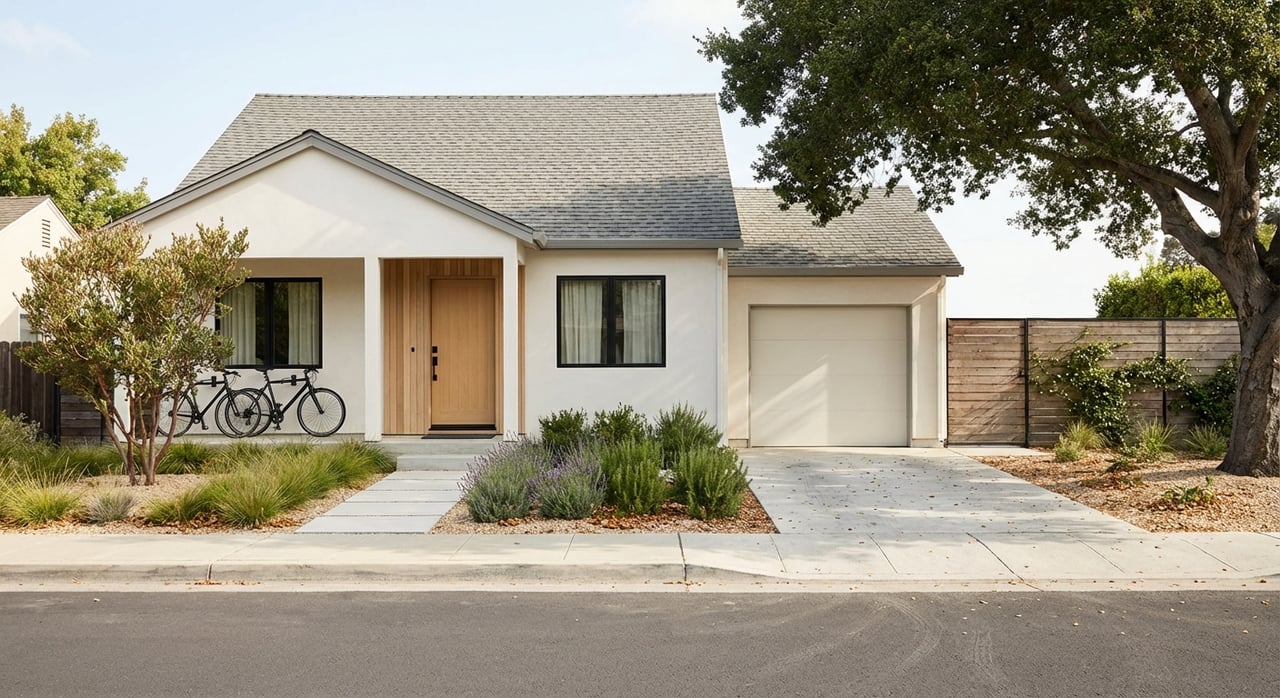
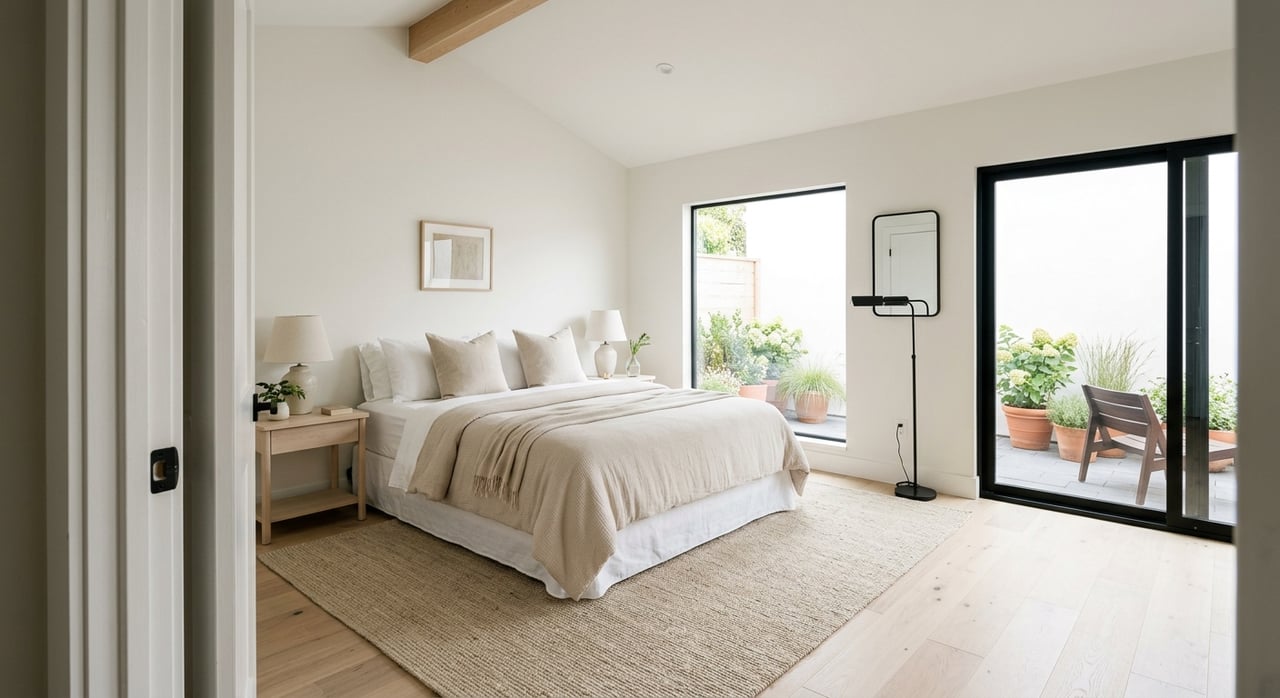
If you own a home in Santa Clara County, timing your next move can feel like a high-stakes puzzle. You want to sell well, buy smart, and avoid getting caught between closings in one of the Bay Area’s fastest-moving and most expensive markets. The good news is that a smooth sell-buy move is possible when you plan around financing, possession, and post-close costs instead of focusing only on the calendar. Let’s dive in.
Why timing matters in Santa Clara County
In Santa Clara County, timing is about more than picking the right week to list your home. Redfin’s March 2026 market snapshot shows a median sale price of $1.68 million, median days on market of 10, a 104.9% sale-to-list ratio, and 65.7% of homes selling above list price. That combination creates pressure on both sides of your move.
If you are selling and buying at the same time, speed can work for you, but it can also create logistical stress. A quick sale may free up equity faster, yet it can also shorten your window to secure your next home. In this market, careful coordination matters as much as pricing strategy.
Affordability also shapes the decision. According to the California Association of Realtors first-quarter 2026 affordability data, Santa Clara County required $492,800 in annual income to buy a median-priced single-family home. That reality makes it especially important to know how much equity you can access and what payment you can comfortably carry.
Start with your financing plan
Before you think about listing photos, open houses, or offer dates, start with a lender conversation. Your financing path will shape nearly every part of your move, including whether you should sell first, buy first, or use short-term financing to bridge the gap.
For 2026, the Federal Housing Finance Agency lists the one-unit conforming loan limit in Santa Clara County at $1,249,125. Since the county’s median sale price is above that figure, some buyers may need a larger down payment or jumbo financing, depending on the purchase price and loan structure. That is why early planning matters.
Sell first, then buy
For many homeowners, selling first is the cleanest option. The Consumer Financial Protection Bureau notes that people who plan to move normally try to sell their current home before buying another one. This approach can reduce overlap, simplify underwriting, and give you a clearer picture of how much equity you have available.
Selling first can also lower financial stress if you do not want to carry two housing payments at once. Once your sale is complete, you can shop with more certainty around budget, down payment, and monthly payment. In a high-cost county, that clarity can be a major advantage.
The trade-off is that you may need temporary housing or a possession strategy if you have not secured your next purchase by closing. That is why selling first works best when it is paired with a realistic move plan, not just a sales plan.
Buy first, then sell
Some homeowners prefer to buy first so they can move once and avoid the pressure of finding a replacement home after closing. This can be attractive in a fast-moving market where desirable homes may go quickly. It may also help if your next home has very specific requirements and you do not want to rush the search.
In some cases, temporary financing can help make that possible. The CFPB describes a bridge loan as a temporary loan that may be used to finance a new dwelling while the borrower plans to sell the current home within 12 months. Fannie Mae also allows bridge or swing loan funds as an acceptable source of funds in certain cases, as long as the lender properly documents the borrower’s ability to carry the related obligations.
That last point is important. Until your current home sells, the lender may evaluate whether you can handle the payments on your existing home, new home, bridge loan, and other debts. In a market with higher purchase prices, this is one reason why buy-first planning should begin early and be reviewed carefully with your lending team.
Compare loan estimates early
Even a small shift in financing costs can affect your move. The CFPB recommends comparing multiple Loan Estimates and checking whether the interest rate is locked. Freddie Mac’s Primary Mortgage Market Survey reported a 6.36% average for a 30-year fixed mortgage on May 14, 2026, which means lock timing can still have a noticeable impact on monthly cost.
If you are balancing a current mortgage, future mortgage, and possible short-term financing, those differences matter. A polished move-up strategy starts with understanding your payment range before your home goes on the market.
Possession timing can make or break the move
In Santa Clara County, the biggest challenge is often not the sale itself. It is the handoff between one home and the next. That is where possession timing becomes essential.
When a rent-back helps
A rent-back, sometimes called seller-in-possession, allows you to close your sale and remain in the home for a short period while paying rent to the buyer. This can create breathing room if your sale needs to close before your purchase is ready. It may also help you avoid moving twice.
A strong rent-back agreement should clearly cover:
- Length of stay
- Rent amount
- Security deposit
- Utilities
- Insurance responsibilities
- Liability terms
- Firm move-out date
In a fast market like Santa Clara County, a rent-back can be one of the most practical tools for smoothing out the transition. It gives you access to sale proceeds while buying time for your next closing.
Other ways to create flexibility
A rent-back is not the only option. Depending on the situation, flexible closing dates, bridge financing, or a short-term rental may help close the gap between transactions. The right choice depends on your finances, your comfort with moving timelines, and how competitive the home-buying side of your search is.
This is where personalized strategy matters. If you are trying to line up two major transactions at once, the goal is not to force one perfect solution. The goal is to create enough flexibility that your move stays manageable.
Understand the trade-offs of contingencies
Many homeowners ask whether they should make their next purchase contingent on the sale of their current home. In some situations, that can work. But in Santa Clara County, where homes have been selling quickly and often above list price, sale-contingent offers may be less competitive than cleaner offers.
That does not mean a contingent offer is impossible. It simply means you should think of it as one tool among several. If you need a contingency, stronger preapproval, a shorter contingency period, a flexible closing date, or temporary financing may help make your offer more workable.
The key is to match your offer structure to current market conditions and your own risk tolerance. A smart plan balances competitiveness with financial safety.
Do not overlook county costs and paperwork
One of the easiest mistakes in a sell-buy move is focusing only on down payment and closing costs while ignoring county charges and post-close tax bills. In Santa Clara County, those items can affect your cash flow more than you expect.
The Santa Clara County Clerk-Recorder charges a county documentary transfer tax of $0.55 per $500 of consideration or value conveyed. The county fee schedule also lists additional city conveyance taxes for San Jose, Palo Alto, and Mountain View. If your transaction involves one of those cities, that should be part of your budget discussion early on.
The county also notes that a Preliminary Change of Ownership Report, or PCOR, is part of the normal recording process for deeds and other sale documents affecting real property. Since it is a standard part of the transaction, it should be handled as part of your closing preparation rather than treated as an afterthought.
Plan for supplemental property tax bills
If you are buying in Santa Clara County, it is important to budget for a supplemental tax bill after closing. The county assessor says new owners typically receive this bill about six to ten months after purchase, and that it is separate from the annual property tax bill. The assessor also notes that lenders generally do not receive the supplemental bill through escrow.
That means you should be ready to pay it directly or coordinate with your lender if needed. For many move-up buyers, this is one of the most overlooked parts of the transition. It is especially important if much of your cash is tied up in the next purchase.
If a property is sold again shortly after purchase, the county says the supplemental bill should generally cover only the months the owner actually held the property. Still, if a bill is issued before the later sale is reflected, proration may become a private matter between buyer and seller.
Your equity may shape your options
When you sell a longtime home in Santa Clara County, equity can be a powerful tool in your next purchase. In a market with high values, available proceeds may influence whether you can make a larger down payment, stay within a conforming loan structure, or reduce the amount of bridge financing needed.
The IRS states that the sale of a main home may allow up to $250,000 of gain to be excluded from income, or up to $500,000 for qualifying joint filers. While individual tax circumstances vary, this rule can affect how much net equity is available to redeploy into your next home.
That is one reason a sell-buy move should be treated as a full financial timeline. Sale proceeds, loan structure, possession timing, transfer taxes, and supplemental property taxes all connect.
A practical sell-buy timeline
If you want a simpler way to think about the process, here is a useful working sequence:
- Get preapproved and compare Loan Estimates before listing.
- Decide whether a sell-first or buy-first path makes more sense.
- Review whether bridge financing may be needed.
- Prepare your home for market with pricing and presentation strategy.
- Negotiate possession timing before final acceptance.
- Reserve cash for transfer taxes and future supplemental tax bills.
This kind of planning can reduce surprises and help you move with more confidence. In Santa Clara County, success often comes from lining up the moving parts early.
Why a coordinated strategy matters
A sell-buy move in Santa Clara County is not just about market timing. It is a coordination challenge involving equity, financing, possession, and post-close cash flow. When those pieces are aligned, your move can feel far more manageable, even in a competitive market.
If you are thinking about selling one home and buying the next, the right guidance can help you compare options, reduce risk, and build a timeline that fits your goals. To start planning your move with a concierge-level approach, connect with Chris A. Sabido.
FAQs
What is the biggest challenge in a Santa Clara County sell-buy move?
- The biggest challenge is usually coordinating equity, financing, and possession timing so you are not stuck between homes.
Should you sell your Santa Clara County home before buying another one?
- Selling first is often the simpler path because it can reduce payment overlap and make your available equity clearer before you buy.
Can a bridge loan help with a Santa Clara County move-up purchase?
- Yes, temporary bridge financing may help you buy before selling, but the lender will typically review whether you can carry the related debts until your current home sells.
Are sale contingencies hard to use in Santa Clara County?
- They can be less competitive in a fast-moving market, but they may still work when paired with strong preapproval, shorter timelines, or other flexible terms.
What extra property tax cost should Santa Clara County buyers expect after closing?
- New owners should plan for a supplemental property tax bill, which the county assessor says typically arrives about six to ten months after purchase and is separate from the annual bill.
What transfer tax applies when selling property in Santa Clara County?
- The county documentary transfer tax is $0.55 per $500 of consideration or value conveyed, with additional city conveyance taxes listed only for San Jose, Palo Alto, and Mountain View.