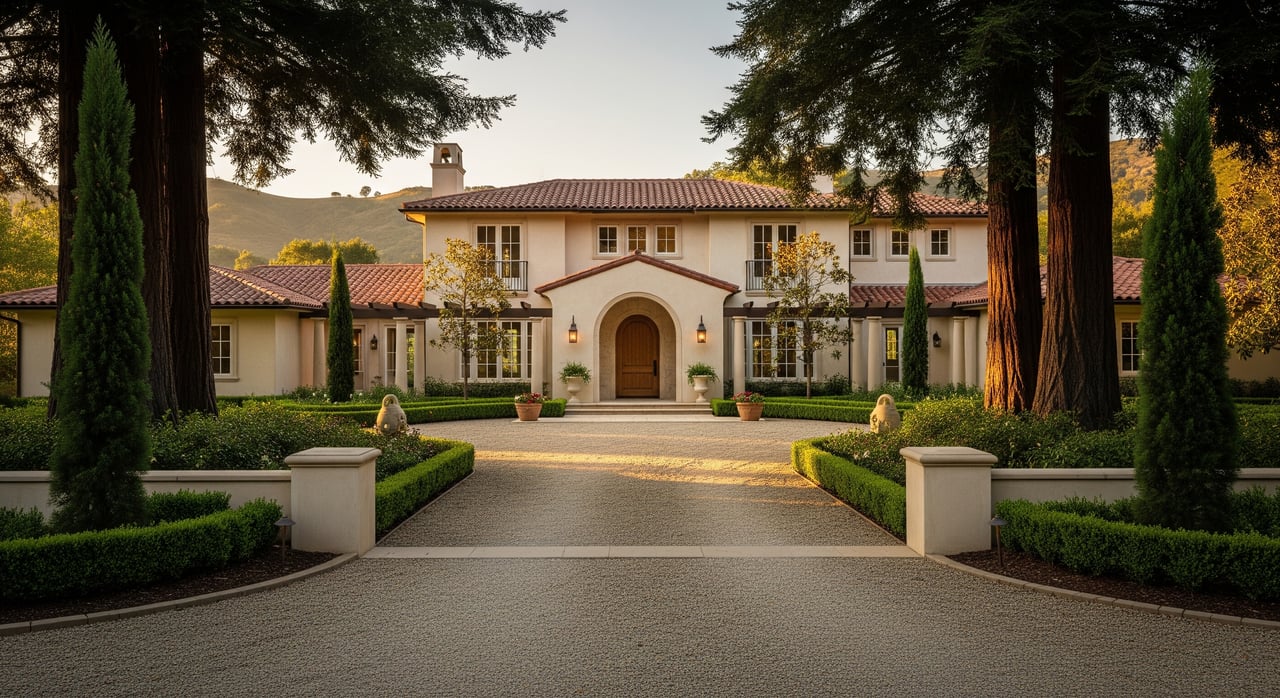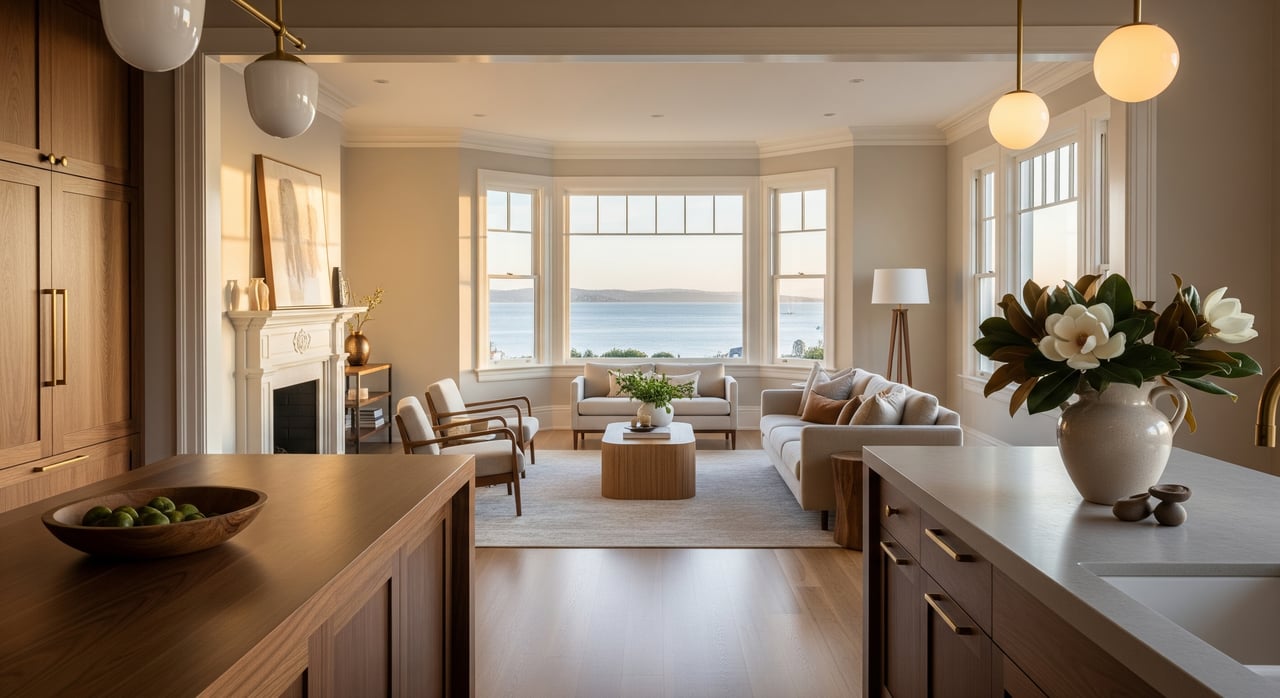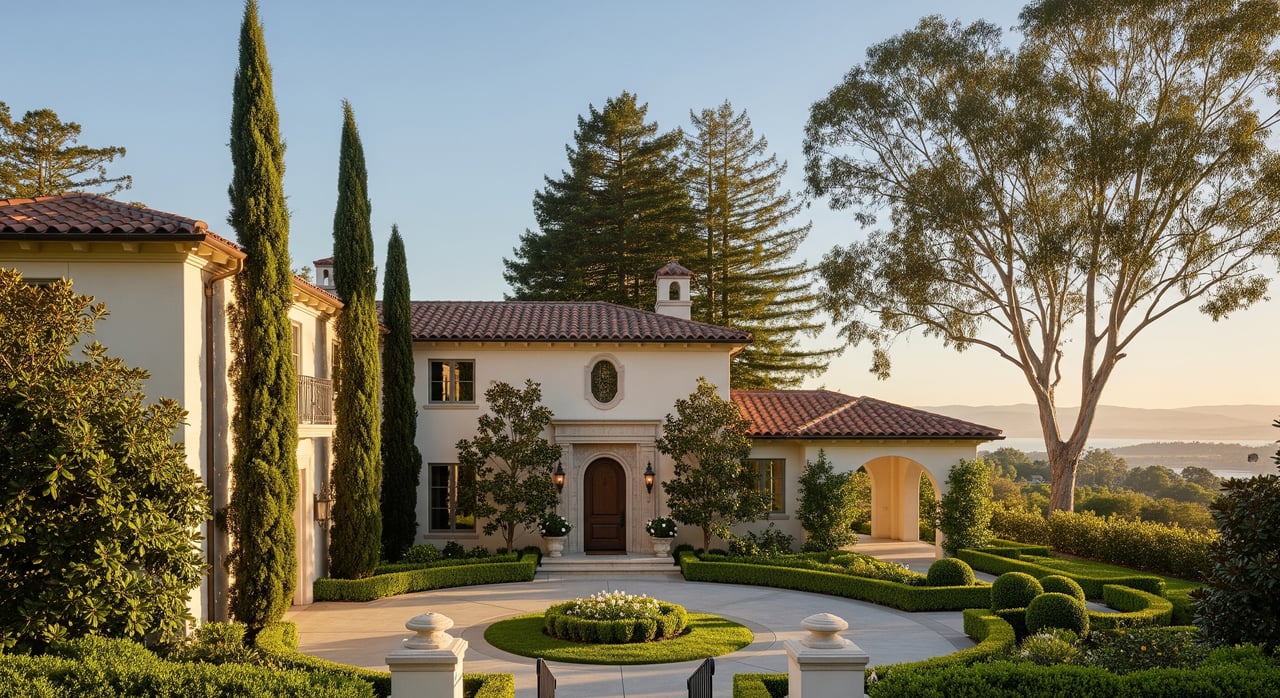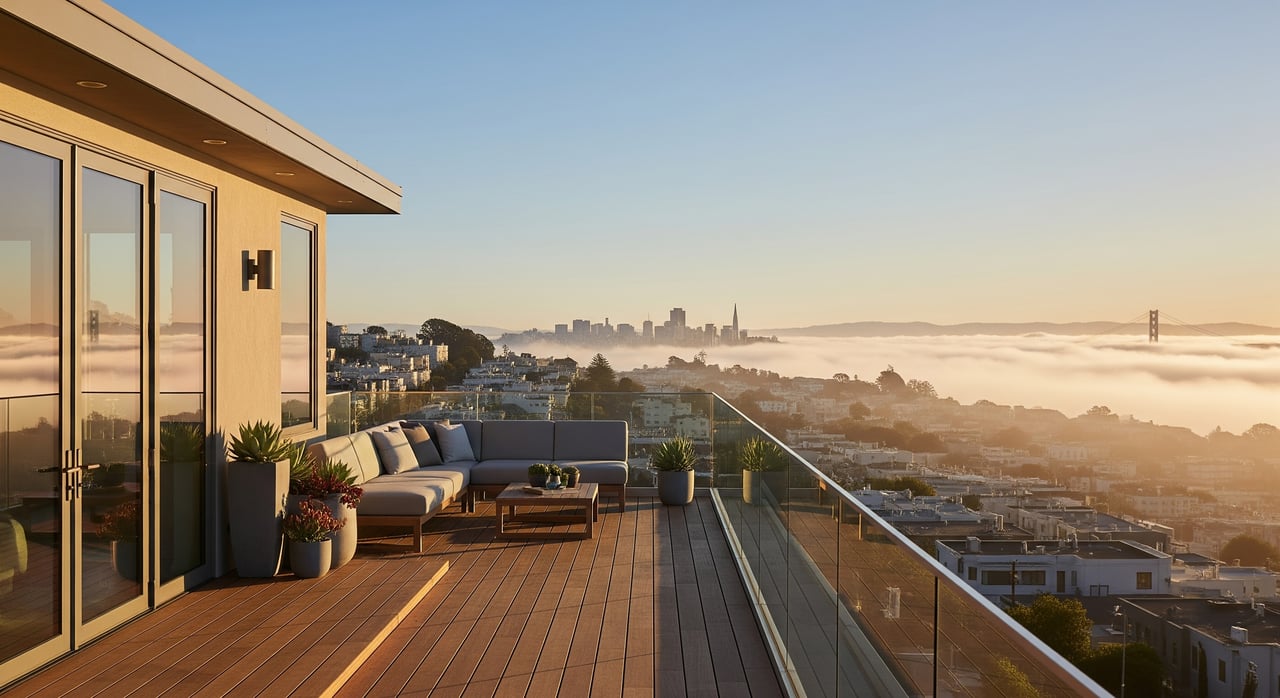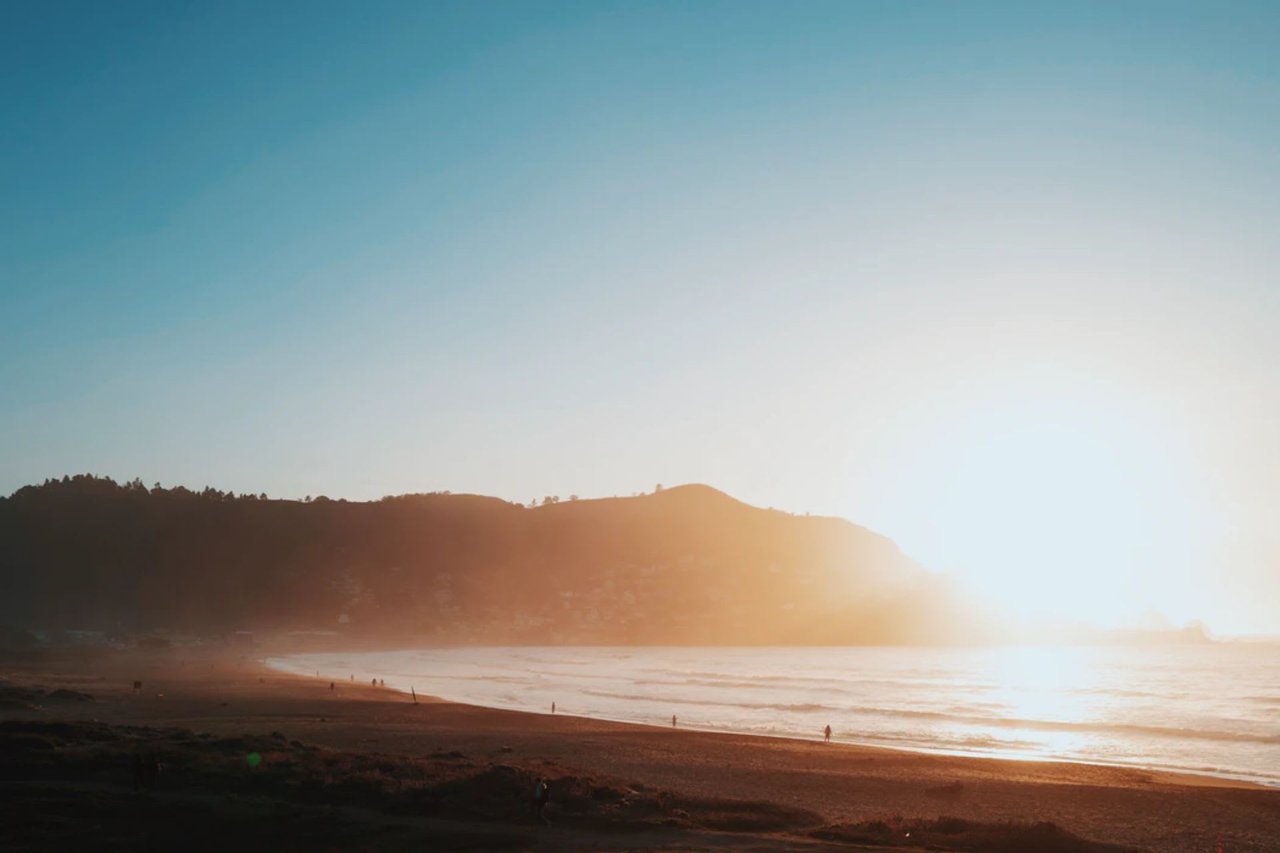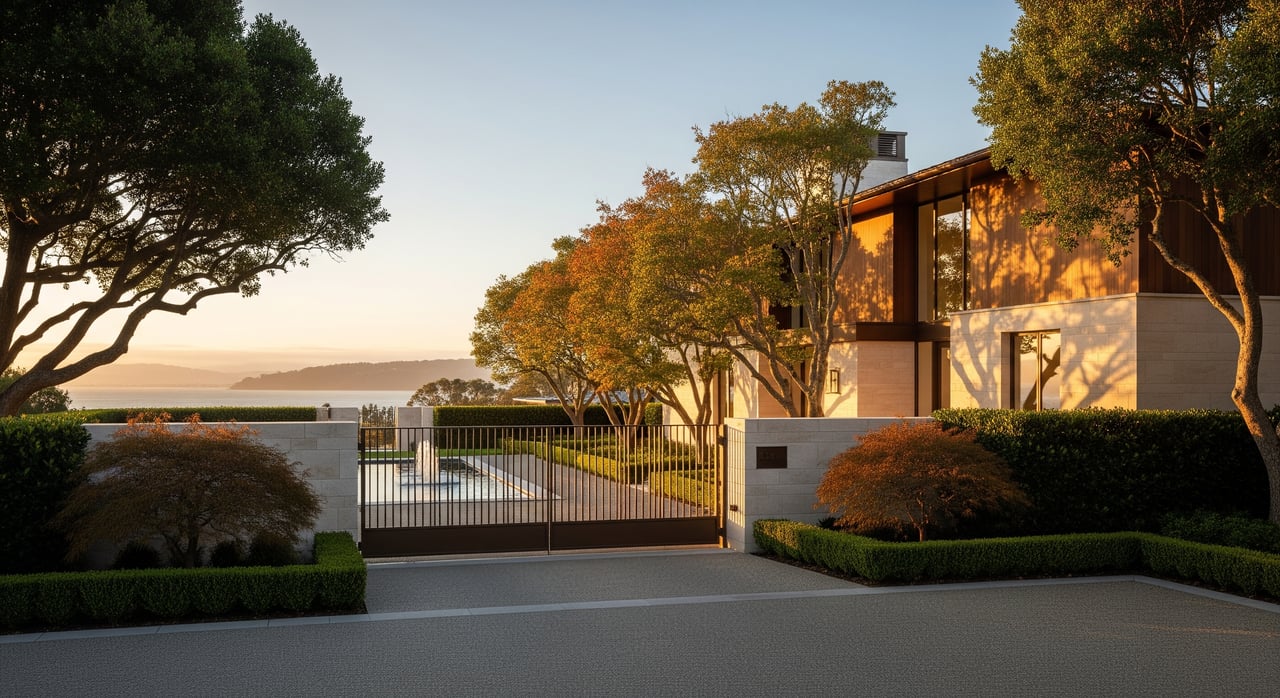
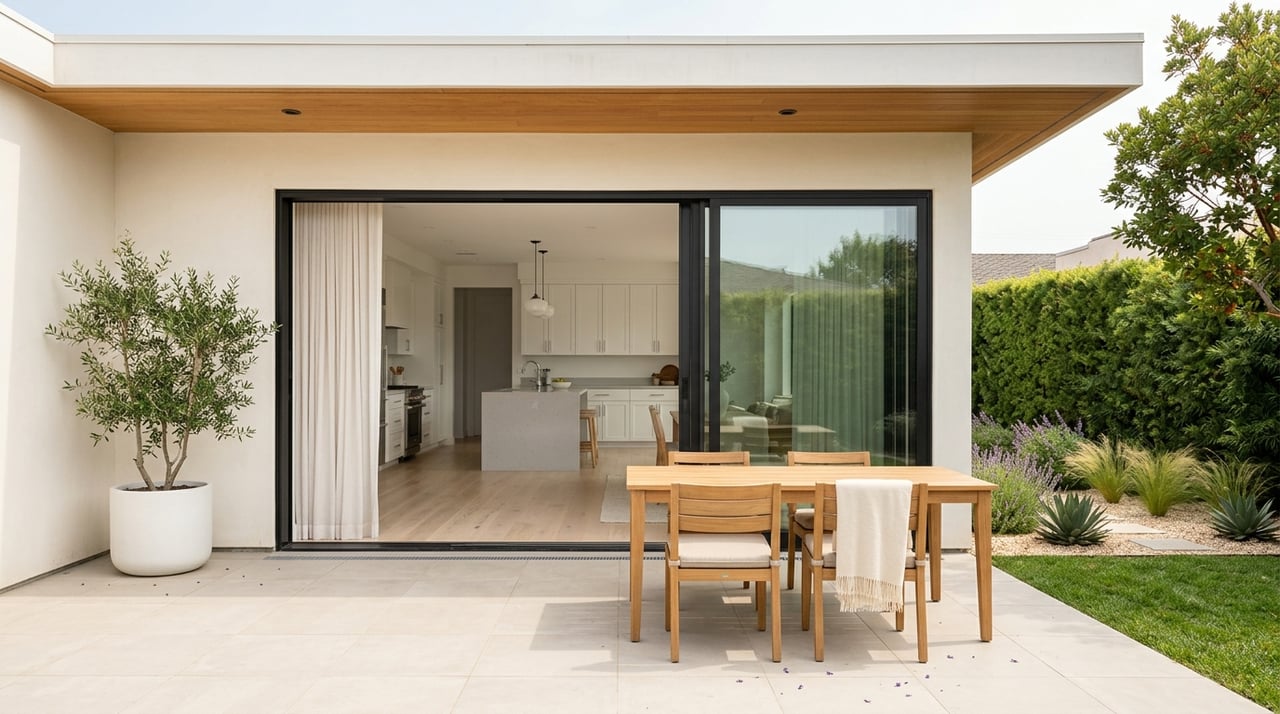
If you are deciding between east and west San Mateo County, you are really choosing between two very different day-to-day experiences. One side tends to offer easier rail access, a warmer climate, and more housing variety, while the other leans cooler, more coastal, and more land-oriented. If you want to match your home search to the way you actually live, this guide will help you compare the tradeoffs clearly. Let’s dive in.
East vs. West San Mateo County
For buyers, the split is usually defined by Skyline Boulevard. In this context, east means the Bayside, and west means the Coastside.
That distinction matters because it shapes how you move through your day, what kind of home inventory you are likely to see, and what the surrounding environment feels like. In simple terms, the east side lines up more with the Peninsula corridor, while the west side aligns more with Pacific coast communities and the Midcoast.
Climate Feels Different Fast
One of the biggest differences between east and west San Mateo County is the weather. The east side is typically warmer and drier, while the coastside is cooler and wetter.
NOAA climate normals show that Redwood City has an annual mean temperature of 59.4°F and annual precipitation of 19.02 inches. Half Moon Bay comes in cooler, with an annual mean temperature of 54.9°F and more annual precipitation at 26.04 inches.
Summer patterns make the contrast even clearer. Redwood City’s July mean daily maximum is 81.0°F, while Half Moon Bay’s is 64.8°F.
For you as a buyer, this can influence everything from how often you use outdoor space to what kind of layering you keep in the car. If you enjoy a more moderate suburban Bay Area feel, the east side may line up better. If you prefer cool marine air and a stronger coastal atmosphere, the west side may feel like home.
Commuting Options Change by Side
East Side Transit Access
The east side has the county’s strongest rail spine. Caltrain serves Millbrae, Burlingame, San Mateo, Hayward Park, Hillsdale, Belmont, San Carlos, and Redwood City, with connections that include BART at Millbrae, SamTrans service, and shuttle links.
That gives east-side buyers more ways to plan a commute tied to San Francisco or the Peninsula. If you value flexibility and want alternatives to driving every day, this is a meaningful advantage.
West Side Road Dependence
On the coastside, transportation works differently. County planning for the area centers on Highway 1 and State Route 92, and local planning documents note that limited access and the land-use pattern tend to encourage automobile trips.
SamTrans does serve coastside communities from Pacifica to Half Moon Bay, but the overall network is thinner than on the east side. SR-92 is also a critical link because it starts at Highway 1 in Half Moon Bay, crosses the Santa Cruz Mountains, and connects through the Peninsula past I-280 and US 101.
For many buyers, this comes down to routine. If your schedule depends on rail access and multiple commute options, the east side often fits better. If you are comfortable with a more car-oriented pattern and prioritize the coastal setting, the west side may still be the better choice.
Housing Looks Different on Each Side
East Side Housing Variety
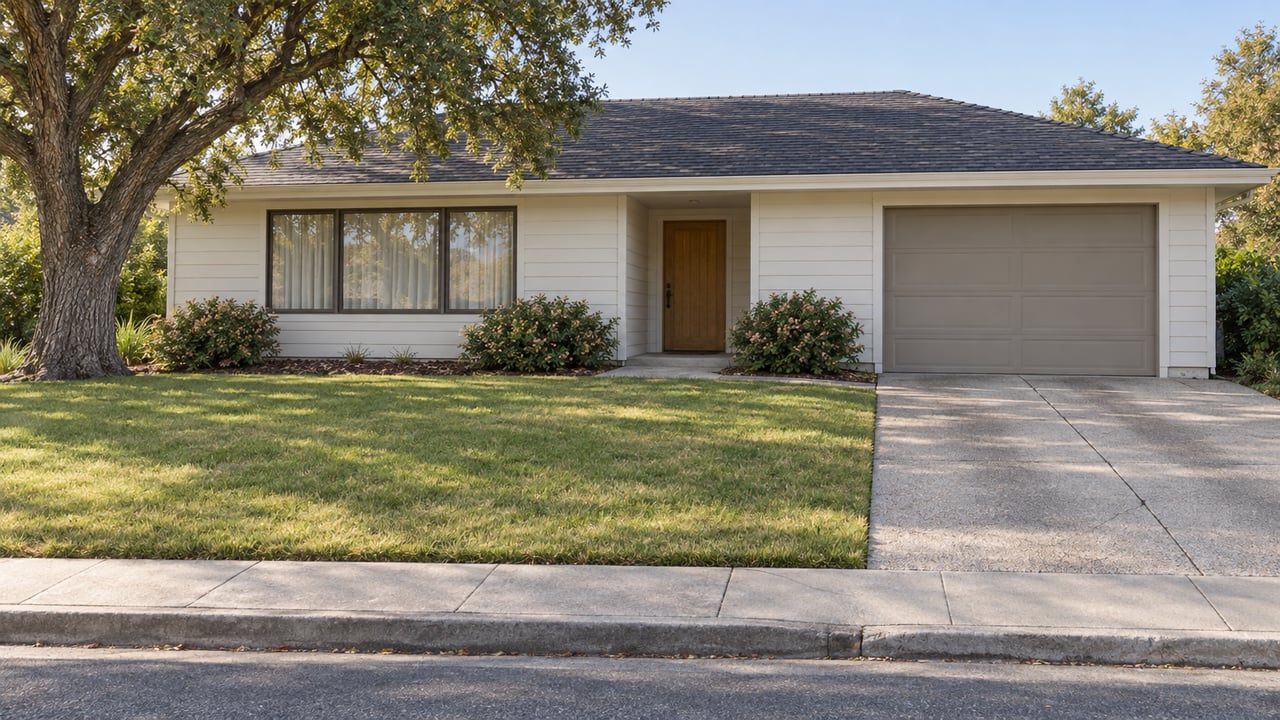
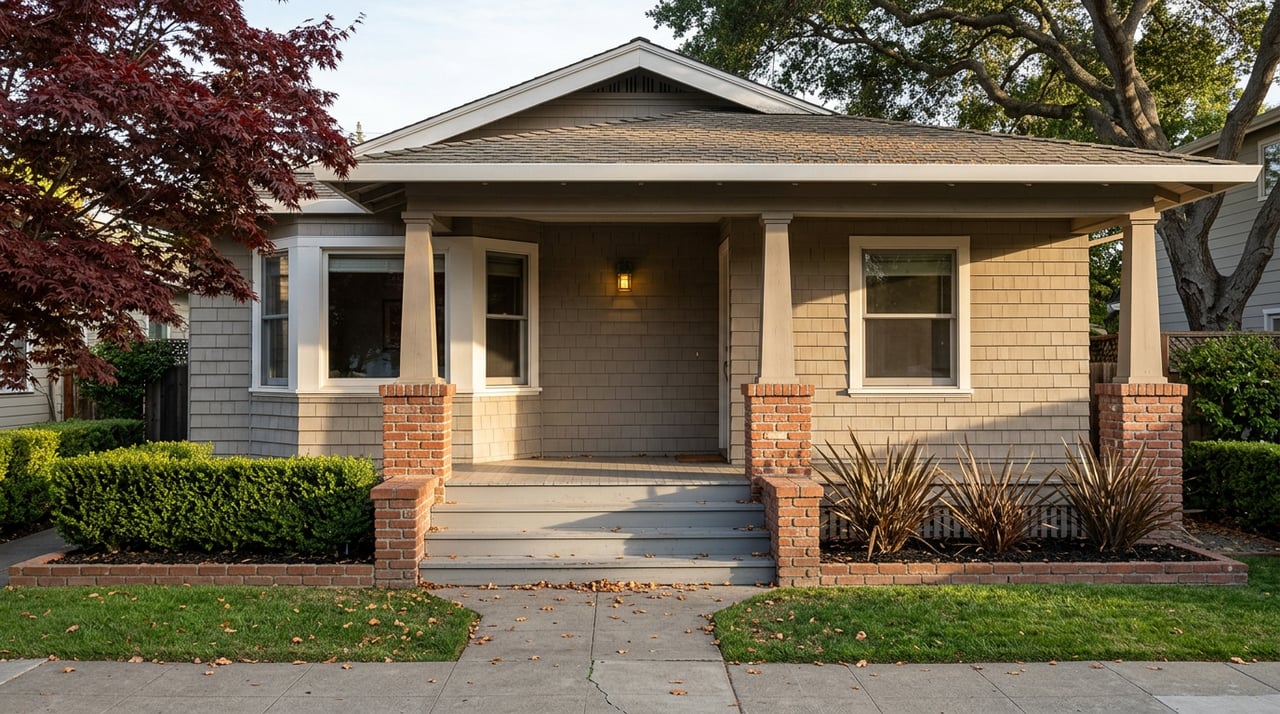
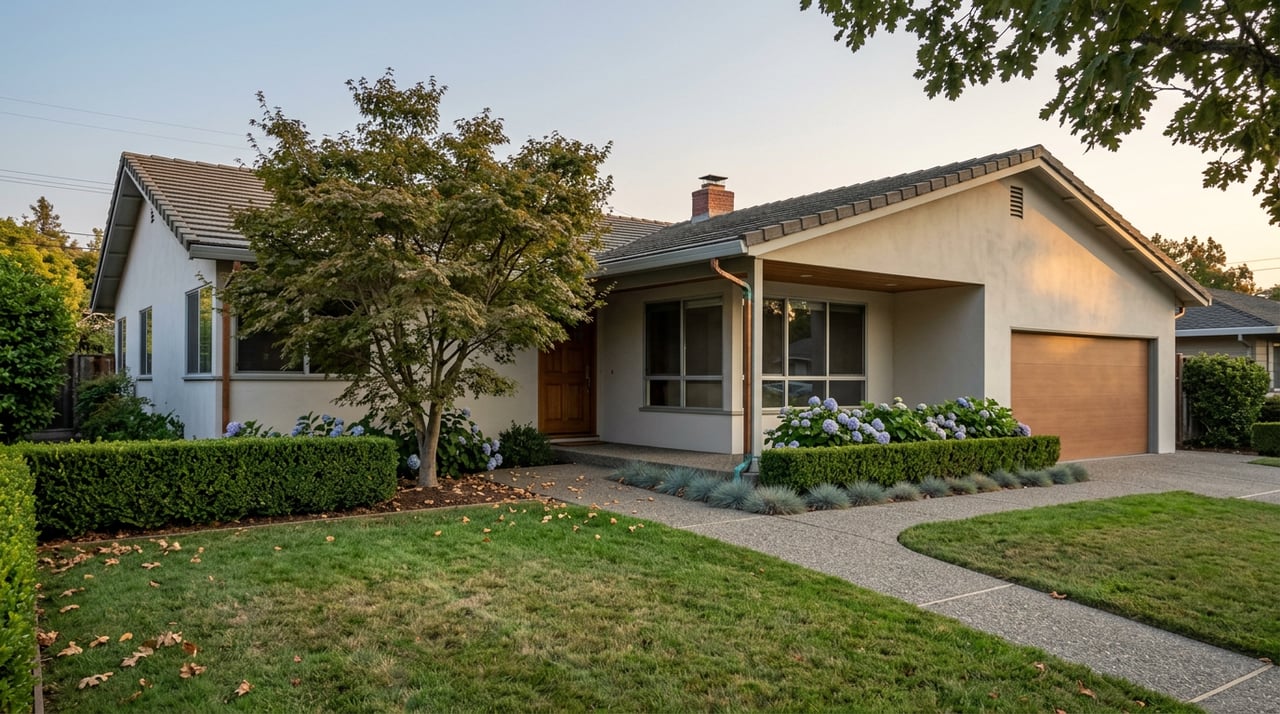
The east side offers a broader mix of housing types. You will find older single-family neighborhoods, transit-oriented infill, and more attached or multi-unit options near major corridors and station areas.
San Mateo’s Objective Design Standards streamline some multi-family and residential mixed-use projects up to 25 units. In Bay Meadows, the plan allows a compact, pedestrian-friendly transit-oriented district with as many as 1,500 residential units in buildings ranging from 2 to 5 stories.
Redwood City’s housing profile also reflects that mix. The city reports 46% detached single-family homes, 12% attached single-family, 18% in 5 to 19-unit buildings, and 14% in 20+ unit buildings.
For buyers, that usually means more format choices. If you want to compare a traditional single-family home with a townhome, condo, or newer corridor-based development, the east side tends to provide more of that range.
West Side Land and Spacing
The west side is generally more low-density and land-based. In Half Moon Bay’s Local Coastal Land Use Plan, Residential-Low Density allows single-family development at up to 2.0 units per acre with a 0.5-acre minimum lot size.
Residential-Medium Density requires 5,000-square-foot minimum lots and allows detached and attached single-family homes plus duplexes. Residential-High Density is concentrated in and near Town Center and can include apartments, clustered development, and townhomes.
Planning materials also describe residential areas outside Town Center as discrete neighborhoods interspersed with mostly agricultural uses. One coastal example includes agriculture and equestrian operations alongside four single-family homes on a 48-acre site.
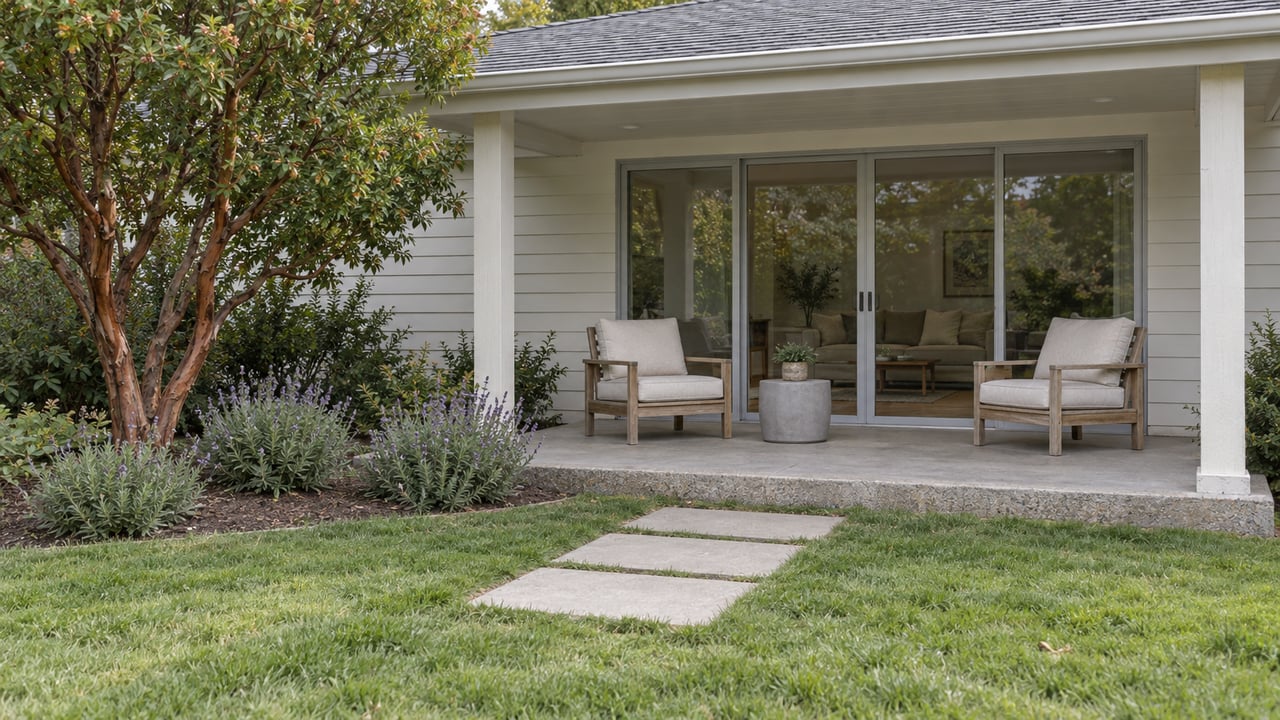
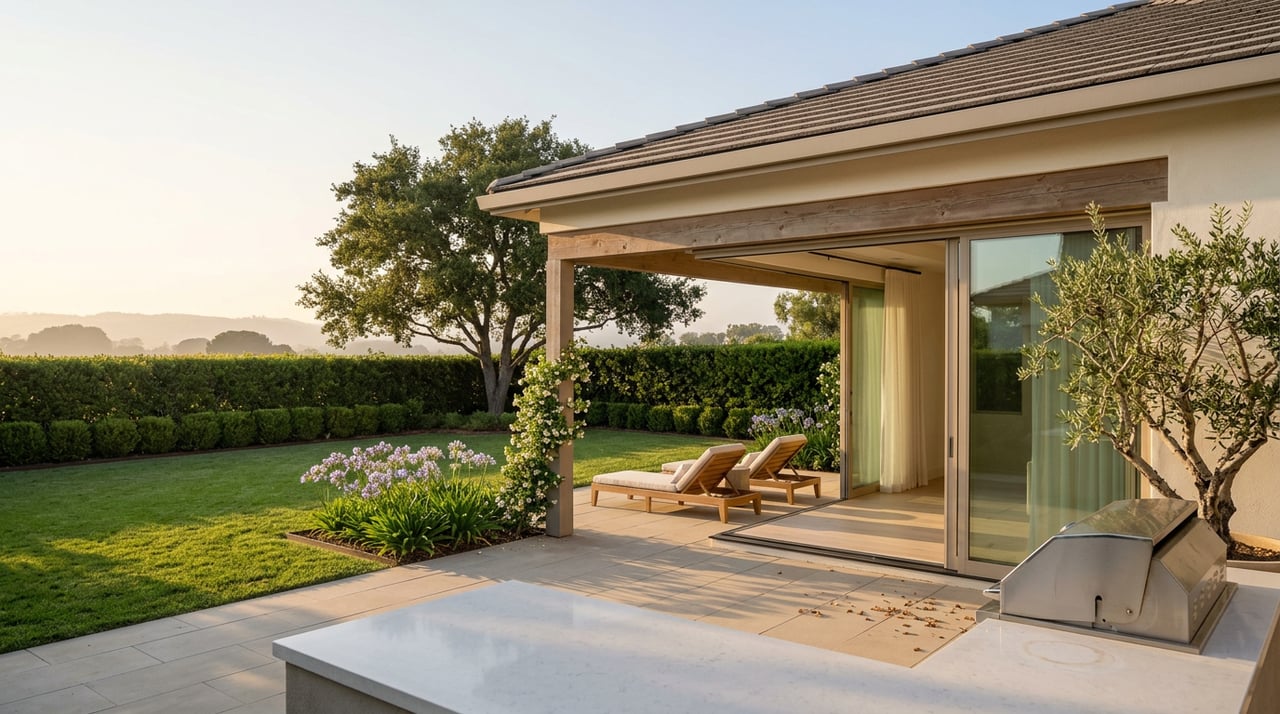
In practical terms, you may see more separation between homes and a stronger rural-coastal edge on the west side. If your priority is extra land, more breathing room, or a less corridor-oriented setting, the coastside may stand out.
Development Pace Is Not the Same
Inventory does not just differ by style. It can also differ by how quickly new housing can come online.
As of June 2026, the County says the urban Midcoast is capped at 40 housing unit building permits per calendar year under the Local Coastal Program. The County also says new residential building permit applications are not being accepted until 2028 unless the Local Coastal Program is amended.
That matters for buyers because it can affect future supply and the pace of change. On the west side, development constraints may reinforce the area’s lower-density character over time.
Nature Access Is Strong on Both Sides
You do not have to give up outdoor access on either side of the county. San Mateo County Parks says its system spans a coastside marine reserve, a bayside recreational area, coastal mountain woodland areas, and urban sites.
On the east side, Coyote Point Recreation Area offers a beach promenade, marina, saltwater marsh, and Bay views. The County also identifies a segment of the San Francisco Bay Trail there.
On the west side, Fitzgerald Marine Reserve protects a rocky intertidal habitat and offers Pacific Ocean bluff views. Half Moon Bay State Beach adds four miles of sandy beaches, dunes, and open ocean scenery.
For buyers, the real question is not whether there is access to nature. It is what kind of setting you want woven into your normal week.
How to Choose the Better Fit
Choose East If You Want Connectivity
The east side may suit you better if your priorities include:
- Caltrain access and stronger transit connections
- A warmer, drier climate
- More housing variety, including attached and multi-unit options
- Easier alignment with Peninsula and San Francisco commuting patterns
This side often appeals to buyers who want convenience, predictability, and a broader menu of housing choices.
Choose West If You Want Coastal Space
The west side may suit you better if your priorities include:
- Cooler marine weather
- More land per home and lower-density surroundings
- A stronger coastal identity
- Daily access to beaches, bluffs, and ocean scenery
This side often appeals to buyers who are comfortable with a more car-oriented routine and want space, scenery, and a quieter pace.
The Real Decision Is Lifestyle
East and west San Mateo County are both compelling, but they serve different goals. The east side generally gives you stronger commute infrastructure and more housing variety, while the west side generally gives you cooler weather, more land, and a stronger coastal feel.
The best choice depends on how you want your home to support your life. If you start with your routine, priorities, and tolerance for tradeoffs, your search becomes much clearer.
If you want help comparing specific Peninsula and coastside communities, working through home type options, or building a smart offer strategy, connect with Chris A. Sabido.
FAQs
What does east versus west San Mateo County mean for buyers?
- For this comparison, east means the Bayside east of Skyline Boulevard, and west means the Coastside west of Skyline Boulevard.
How does weather differ between east and west San Mateo County?
- The east side is typically warmer and drier, while the west side is cooler and wetter, based on NOAA normals for Redwood City and Half Moon Bay.
Is commuting easier on the east side of San Mateo County?
- Yes, the east side generally offers more commute options because Caltrain serves multiple Peninsula stations and connects with BART, SamTrans, and shuttle services.
What kind of homes are more common on the west side of San Mateo County?
- West-side housing generally trends lower-density, with more land-oriented development patterns and larger lot standards in parts of Half Moon Bay.
Does the east side of San Mateo County only have dense housing?
- No, the east side includes a mix of older single-family neighborhoods, transit-oriented development, and attached or multi-unit housing near station and corridor areas.
Why might buyers choose the coastside in San Mateo County?
- Many buyers are drawn to the coastside for its cooler marine climate, more space between properties, and close access to beaches, bluffs, and ocean views.