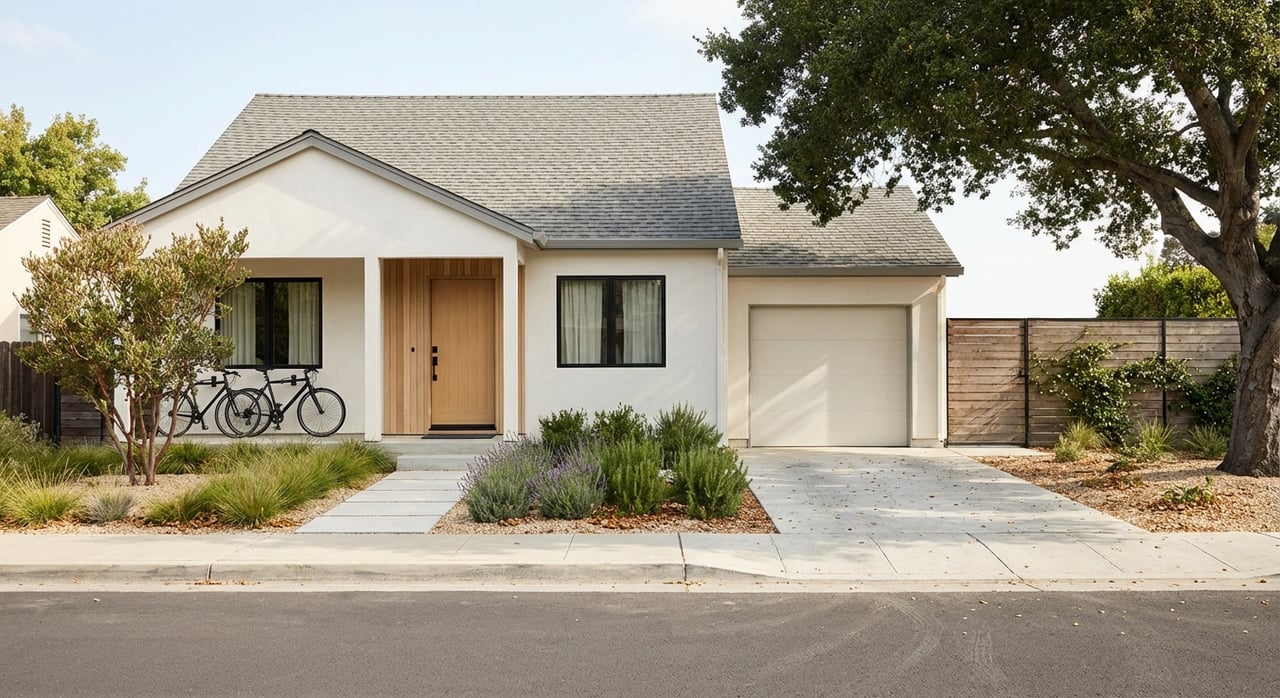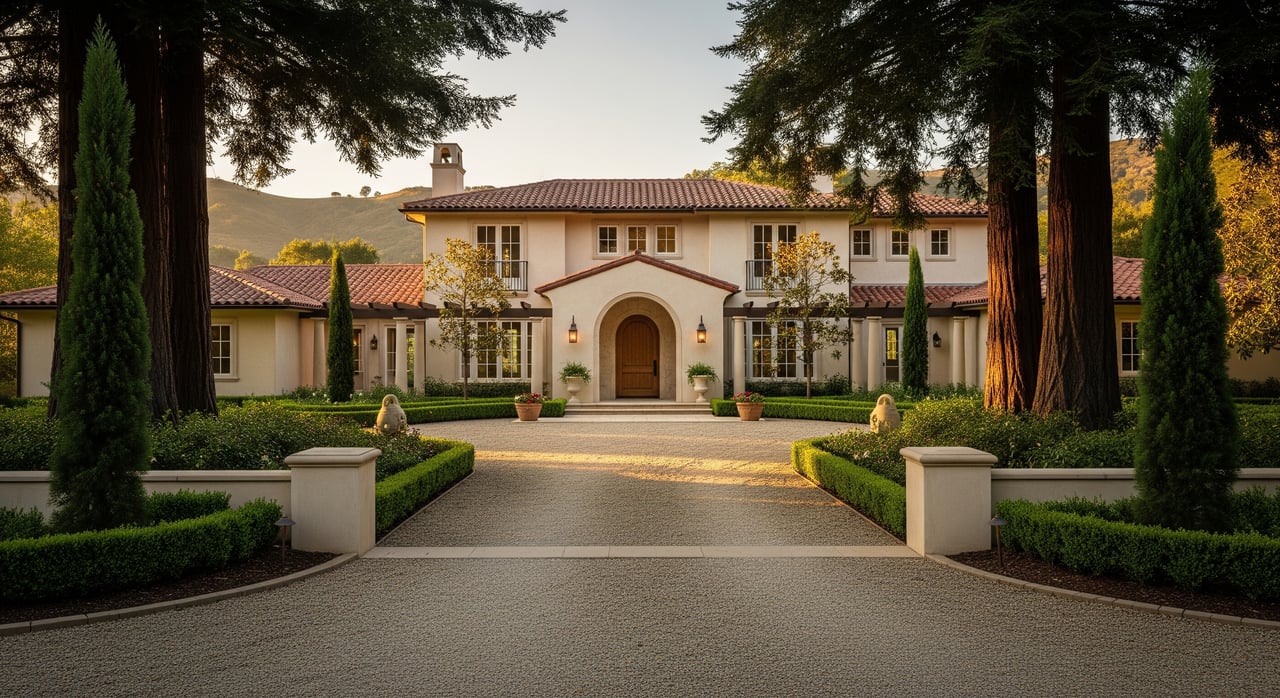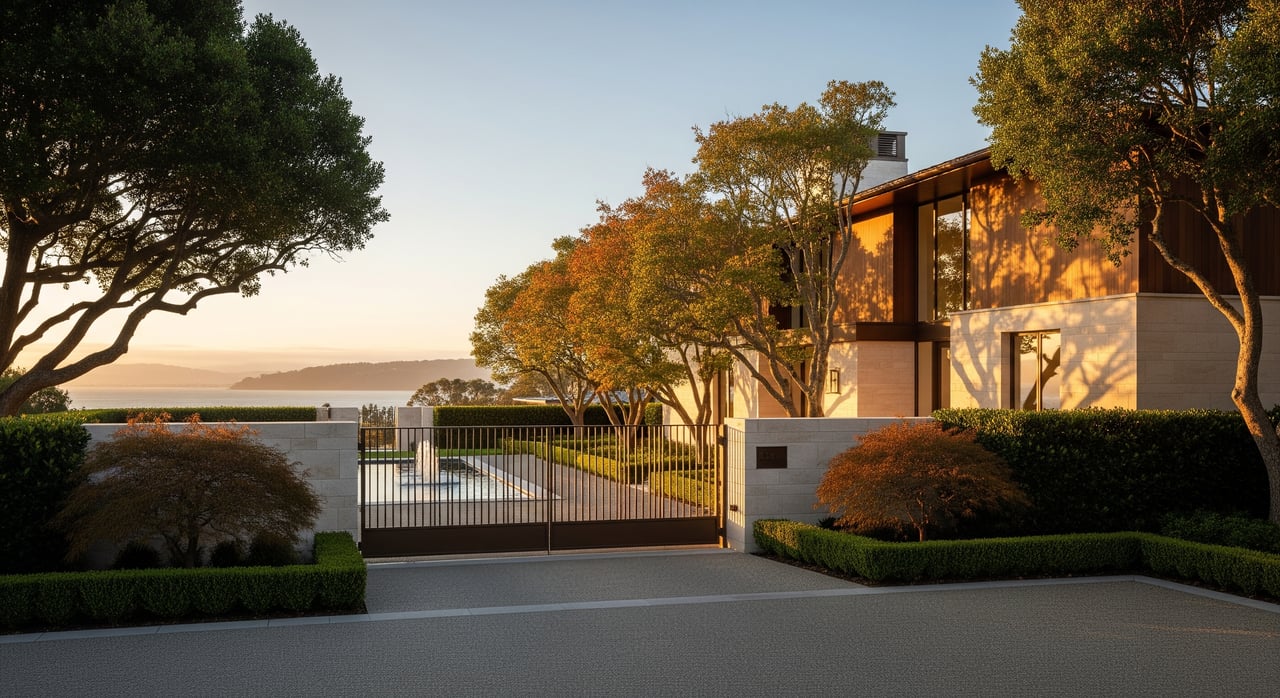
Three miles separate downtown Burlingame from downtown San Mateo. The median home in Burlingame sold for about $2.9 million over the three months ending April 2026, based on closed-sale tracking. San Mateo's median for the three months ending May 2026 sat closer to $1.8 million. That gap runs about $1.1 million for a home that, on the map, looks closer to the job centers up the Peninsula.
Ask why buyers pay that premium and the word that comes up is commute. Burlingame has its own Caltrain station. It sits nearer 101. It feels more stitched into the Peninsula's rail spine than its neighbor three miles south. The assumption follows naturally: the extra million buys time.
The commute numbers don't back that up. Recent American Community Survey estimates compiled by DataUSA put Burlingame's average commute at 30.7 minutes. San Mateo County as a whole averages 26.5 minutes, according to Census Reporter's tract-level data for the area. Burlingame residents are commuting longer than the county average, not shorter, despite the price tag and the rail access sitting a few blocks from most front doors.
That contradiction is worth sitting with before you write an offer three miles in either direction.
What $1.1 Million Actually Buys, By the Numbers
| City | Median Sale Price | Window | Price per Sq. Ft. | Days on Market |
|---|---|---|---|---|
| Burlingame | $2.9M | 3 mo. ending Apr 2026 | $1.55K | 10 |
| San Mateo | $1.8M | 3 mo. ending May 2026 | $1.11K | 13 |
| Millbrae | $1.6M–$2.2M | Jan–Aug 2026 | varies | 12–25 |
Burlingame and San Mateo both move fast. Ten days versus thirteen is a rounding error in a market where either city can turn a listing into a closed sale before a second open house. The real split is price per square foot, where Burlingame runs about 40 percent above San Mateo. That's not a commute premium. It's a premium on something else entirely.
Millbrae is the outlier, and not in a way that tells you much about appreciation. Its median sale price swung from $1.6 million in January 2026 down 7.6 percent year over year, to $1.9 million across the three months ending May 2026, to $2,226,027 city-wide as of August 2026, up 23.7 percent year over year. Millbrae typically closes single-digit to low-double-digit home sales in a given month. When your sample size is nine or eleven homes, one $4 million estate or one $900,000 condo can swing the median by six figures without the underlying market moving at all.
The Transit Investment That Didn't Shrink the Commute
Burlingame didn't sit still on its station area. The city awarded a construction contract for the Burlingame Square Transit Hub to Redgwick Construction on March 18, 2024, with work beginning June 3, 2024, and completion targeted for that November. The project added bike racks, pedestrian-scale lighting, wayfinding, seating, and landscaping to the city-owned space next to the Caltrain station on California Drive.
The regional transit blog covering the Bay Area's transportation network described a related set of station improvements at Burlingame Avenue: updated ADA grading, new benches and signage, BikeLink bicycle parking, Spin bikeshare access, and electric vehicle charging. Burlingame City Councilmember Donna Colson called the finished project "a destination that enhances the rider experience." Those are real upgrades. They make the platform more pleasant to wait on.
None of it touches the number that actually determines a commute: how long the train or the freeway takes once you're moving. Burlingame's weekday commuters still route through either the main Burlingame station or Millbrae's intermodal hub one stop south, since Broadway currently runs on a limited weekend-only schedule. A nicer platform doesn't compress the ride to San Francisco. It just makes the wait for that ride more comfortable.
Where the Extra Million Actually Goes
If the premium isn't buying speed, the housing stock underneath it tells a clearer story. Burlingame's own housing element, last tallied in 2020, counted 48 percent of homes as single-family detached, 4 percent as single-family attached, 7 percent as small multifamily, and 41 percent as medium or large multifamily. That's a built-out city. New single-family construction is scarce, which means most of what's for sale is decades-old housing stock in established neighborhoods that haven't turned over in a generation.
That kind of scarcity is its own price signal, separate from anything to do with proximity to a train platform. Buyers aren't purchasing a shorter ride. They're purchasing a spot in a city where the supply of that particular kind of home, older, established, walking distance to a working downtown, isn't going to expand to meet demand. San Mateo's broader mix of housing stock and price points gives buyers more room to negotiate location against budget, but it doesn't carry the same scarcity premium on any single category of home.
Millbrae's Different Bet
Millbrae isn't competing on the same axis as Burlingame or San Mateo. Its station is the region's largest intermodal hub, combining Caltrain and BART in one location, and its location a few minutes from San Francisco International Airport makes it a genuinely different value proposition for buyers who travel often or need quick multimodal access rather than a walkable downtown corridor.
That's a real differentiator. It's just one that current pricing data can't confirm month to month, because Millbrae's sales volume is too thin to produce a stable median. A buyer using a single month's Millbrae number to negotiate, or a seller using it to set a list price, is working with a figure that can move 20 percent in either direction based on which handful of homes happened to close. Anyone pricing a Millbrae home right now should be asking for a three to six month rolling average rather than trusting the most recent month in isolation.
What This Means If You're Comparing These Three Cities
If a walkable, established downtown with older, architecturally consistent housing stock is the priority, Burlingame's premium buys exactly that, not a faster commute. If the priority is more house per dollar and a shorter average ride to work, San Mateo's broader housing mix and lower price per square foot deliver on both counts. If frequent travel or multimodal access matters more than walkability, Millbrae is worth a serious look, with the caveat that its pricing data needs a wider lens before you trust any single month's print.
None of that makes one city better than the others. It makes clear what each premium, or discount, is actually attached to.
FAQ
Does Burlingame's Caltrain access actually shorten the average commute compared to San Mateo? No. Recent ACS estimates put Burlingame's average commute at 30.7 minutes, longer than San Mateo County's overall average of 26.5 minutes.
Why do Millbrae's monthly price swings look so dramatic? Millbrae typically closes a small number of sales each month. A single high-value or low-value closing can shift the median by a large percentage without reflecting a real change in the broader market.
Does San Mateo's lower median price mean it's a lesser market? Not on its own. San Mateo's median reflects a broader mix of housing stock and price points across the city, not a lower ceiling. Both San Mateo and Burlingame carry a "most competitive" or "very competitive" designation in current market tracking.
If you're weighing Burlingame against San Mateo or Millbrae and want to know what a specific budget actually buys in each, Chris A. Sabido has spent two decades reading these three markets block by block. Book an appointment and bring your list of what actually matters, not just the median price.